

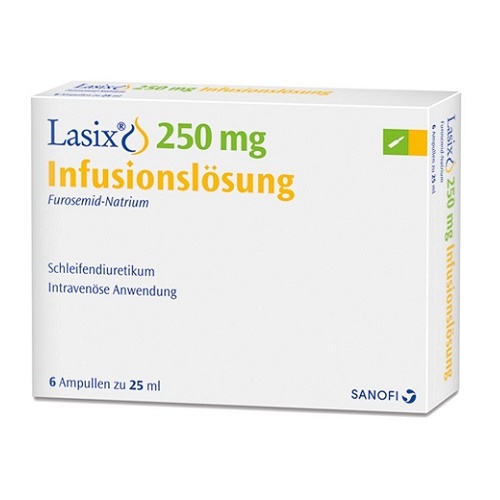
| Brand Name | Lasix |
|---|---|
| Main Ingredient | Furosemide |
| Intended Use | Treatment of fluid retention (Edema) due to heart failure, liver disease, or kidney disorders |
| Strength Variations | 20 mg, 40 mg, 80 mg oral tablets |
| How Quickly It Works | Within 30–60 minutes after oral intake |
| Effect Duration | Approximately 6–8 hours per dose |
| Required Prescription Status | Prescription required in United States |
| Who Makes It | Sanofi (original), plus several generics: Teva, Mylan, Sun Pharma, others |
| Typical Price Range | $10–$35 for 30 tablets (varies by pharmacy and manufacturer) |
Lasix (Furosemide) is a medication widely used in the management of fluid overload, especially in conditions like heart failure, kidney dysfunction, and liver disease. It is legally available in the United States with a valid prescription and falls under the category of loop diuretics, which are medications designed to help the body eliminate excess fluid.
Swelling in the legs, feet, or elsewhere—known medically as edema—is a common and stressful symptom for many adults. According to the Centers for Disease Control and Prevention (CDC), 6.5 million Americans live with heart failure, one of the leading causes of chronic edema (CDC, 2022). Edema is not limited to heart issues; it also appears in people with chronic kidney disease, liver cirrhosis, or even after certain surgeries. Importantly, these conditions are manageable, and medical advances have made effective treatments widely accessible. You are not alone in facing these symptoms, and proven solutions are available.
Lasix addresses edema by acting directly on the kidneys. Furosemide, its active compound, blocks the reabsorption of sodium and chloride in a part of the kidney called the loop of Henle. This mechanism means that more salt—and with it, more water—is excreted in urine. For the patient, this results in increased urination and a gradual reduction in swelling. Most people notice an effect starting within an hour of taking the tablet, with the most pronounced improvement in leg, ankle, or abdominal swelling typically occurring over the course of several days of consistent use. By removing the excess fluid, Lasix can also relieve related symptoms, such as shortness of breath and heaviness, making daily activity easier.
| Situation | Recommendation | Reason |
|---|---|---|
| You have persistent swelling in your legs and a diagnosis of heart failure, and your doctor recommends a diuretic. | Lasix is often the first-line choice. | Its rapid and strong effect helps reduce fluid quickly, which is critical in heart failure management. |
| You experience sudden swelling and have a history of kidney disease with lab results showing poor kidney function. | Lasix may be prescribed, but dosage and monitoring need to be individualized. | The medication remains effective even in reduced kidney function, but requires close supervision to avoid dehydration or electrolyte imbalances. |
| You notice mild swelling after standing for long hours, with no chronic medical conditions. | Lasix is not recommended as a first choice. | Lifestyle modifications (elevating legs, reducing salt intake) are preferred; Lasix is reserved for cases linked to underlying medical conditions. |
| You are currently pregnant and develop swelling. | Lasix is generally not used unless medically necessary. | Risks to fetal development mean other options are considered first, and treatment decisions are made in consultation with a specialist. |
This table illustrates that Lasix is effective in many, but not all, types of swelling. Its use is guided by the underlying cause and your individual health profile, emphasizing why a tailored approach is essential.
Lasix is not a do-it-yourself medication. Its effects on the body’s electrolytes (like potassium and sodium) make regular monitoring important, especially at the start of therapy or with higher doses.
Each contraindication ties back to the way Lasix works: by shifting body fluid and electrolytes, it can endanger people whose balance is already precarious. If you are unsure about any of these, a healthcare provider can clarify your individual risks.
Most side effects are dose-related and resolve with adjustments, but some require urgent attention. Always report anything severe or unexpected to your healthcare team right away.
Interactions can occur with several commonly used drugs:
If you are on multiple medications, your doctor or pharmacist can check for harmful combinations and recommend any needed adjustments or extra monitoring.
| Medication | Effectiveness in Edema | Speed of Action | Suitable For | Main Limitations |
|---|---|---|---|---|
| Lasix (Furosemide) | High (especially in heart and kidney-related edema) | 30–60 min oral, rapid | Heart failure, kidney and liver disease, severe swelling | Risk of dehydration and electrolyte shifts, requires monitoring |
| Hydrochlorothiazide | Moderate (best in mild-moderate cases) | 1–2 hours | Mild hypertension with swelling, earlier disease | Ineffective in severe kidney impairment |
| Spironolactone | Variable, good for liver-related edema | Several days to peak | Liver cirrhosis, some heart failure | Causes high potassium, slow onset, not for rapid relief |
Lasix is frequently preferred for its speed and potency, particularly when rapid relief from swelling is needed. However, in milder cases or where slow, gentle diuresis is preferable (as in some liver conditions), other medications may be chosen. The best option is guided both by your medical condition and how urgent your need for symptom relief is.
| Cost Item | Amount | Note |
|---|---|---|
| Doctor consultation (in-office or telemedicine) | $75–$150 | May be covered partially by insurance |
| Prescription charge (if not included) | $0–$20 | Some clinics include this in the visit cost |
| Lasix 40 mg tablets (30 count) | $10–$35 | Generic versions are usually less expensive |
| Mail-order delivery | $0–$15 | Pharmacy and delivery speed dependent |
| Total | $85–$220 | Lowest cost: telemedicine + generic + standard delivery |
Lasix requires a prescription in the United States, per FDA regulation. While local pharmacies, chain drugstores, and mail-order services can all fill prescriptions, pricing varies. Online options may appear less expensive, but always verify the pharmacy is licensed by the National Association of Boards of Pharmacy (NABP). Insurance may cover most or all of the cost, but if paying out-of-pocket, the above is a reliable estimate of total expense for a month’s supply including all steps.
For personal situations not covered here, discuss directly with your prescribing provider or pharmacist. They have access to your health history and can tailor recommendations or troubleshooting as needed.