
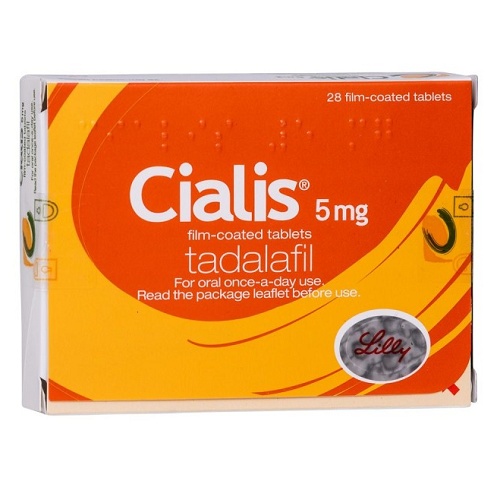
When Cialis Is Chosen in Real Life—Not Just on Paper
Some decisions in medicine are crystal clear. Others happen in the gray space between the evidence, the guidelines, and what patients actually want. Cialis lives in that space. If you’ve ever wondered why one man is sent home with a prescription for tadalafil while another walks out with sildenafil, the answer isn’t always in the chart—it’s in the details of their lives.
The most important clinical reality: Cialis is chosen for its flexibility and duration. Unlike most other ED treatments, its effect doesn’t vanish after a few hours. For many patients, this means less planning, less pressure, and more intimacy that feels spontaneous rather than scheduled. But it’s not just about lasting longer. Some patients prefer Cialis because it fits better with their daily medications, causes fewer headaches or less facial flushing, or lets them take a lower, daily dose.
But duration isn’t everything. Some patients are surprised when Cialis doesn’t provide the “kick” they expected. The effect can be subtler, and if you expect the experience of Viagra, you might dismiss Cialis too soon. This is where honest conversation with your doctor comes in—your expectations help steer the decision as much as your blood pressure or medication list.
Bottom line: Cialis is not just a “longer-lasting Viagra”—it’s a different choice, best suited for men who value flexibility, want to reduce planning, or need a gentler effect. The best candidate is not always the one with the most severe ED, but the one whose expectations match the way Cialis works.
Tadalafil and the “Cialis Effect”: What Patients Actually Feel
Tadalafil, the active ingredient in Cialis, works by relaxing the blood vessels in the penis, making it easier to achieve and maintain an erection when sexually stimulated. That sounds straightforward. But what does this actually mean for you, in your body, on a Friday night—or a Tuesday morning?
Most men taking Cialis will notice that erections are possible for a much wider window—up to 36 hours after taking the pill. But unlike some other ED drugs, Cialis doesn’t force an erection or create a sudden, unmistakable sensation. For many, it simply removes the barrier that ED has built, allowing natural arousal to do the rest. That subtlety is both its strength and its most common source of confusion.
- Tadalafil
- A phosphodiesterase type 5 (PDE5) inhibitor used for erectile dysfunction. It increases blood flow to the penis in response to sexual stimulation. Tadalafil’s half-life is approximately 17.5 hours—significantly longer than sildenafil (Viagra).
The long half-life means you can take Cialis in two ways: either as needed before sex, or as a daily low dose that maintains a steady level in your body. Both approaches can work well, but only if your expectations are aligned. If you’re looking for a sudden, intense response, Cialis may feel underwhelming. But if you want to restore confidence and remove the anxiety of timing, its “background” effect can be life-changing.
- Onset of action: Most patients feel the effect within 30 to 60 minutes, but food has little effect on absorption—so you don’t need to skip dinner.
- Duration: The effect can last up to 36 hours, meaning one dose may cover an entire day and beyond.
- Consistency: Daily dosing provides a stable background effect, especially useful for men with more frequent sexual activity or who dislike planning.
Some men experience facial flushing, nasal congestion, or mild muscle aches—effects that often fade with ongoing use. If you are taking nitrates or certain blood pressure medications, Cialis can cause dangerous interactions. This is why a detailed review of your medication list is essential before starting.
Making Cialis Work for You: Dosing Schedules and Real Expectations
No two men approach ED treatment in quite the same way. For some, the goal is a one-time fix. For others, it’s a restoration of normalcy—a way to get back to intimacy without medication becoming the main event. That’s the clinical reason why Cialis comes in multiple dosing strategies, and why you and your doctor need to talk about how you want it to work in your life.
| Approach | Typical Dose | How to Use | Who It’s For | What to Expect |
|---|---|---|---|---|
| As-Needed | 10 mg (can range from 5–20 mg) | Take at least 30 minutes before sexual activity; do not take more than once per day | Men who want flexibility and plan sexual activity | Effect lasts up to 36 hours; not required daily |
| Daily Use | 2.5–5 mg once daily | Take at the same time every day, regardless of sexual activity | Men with frequent sexual activity; those who dislike planning | Steady effect; less need to plan intercourse timing |
The choice between as-needed and daily dosing isn’t just about convenience—it’s about matching the medication to the rhythm of your life and your relationship. Some men start with as-needed dosing and switch to daily use if they find the planning stressful or their sexual activity more frequent than they expected. Others try both before deciding what works best.
Realistic expectations are critical. Cialis will not force an erection without sexual stimulation, and its effect can be blunted by alcohol, certain medications, and medical conditions affecting blood flow or nerve function. Open conversation with your clinician—about your goals, routines, and barriers—gives you the best chance of a positive outcome.
How Cialis Stacks Up: Comparison With Other ED Medications
| Attribute | Cialis (Tadalafil) | Viagra (Sildenafil) | Levitra (Vardenafil) |
|---|---|---|---|
| Active Ingredient | Tadalafil | Sildenafil | Vardenafil |
| Onset of Action | 30–60 min | 30–60 min | 30–60 min |
| Duration | Up to 36 hours | 4–6 hours | 4–6 hours |
| Effect of Food | Minimal—can be taken with or without food | Delayed by high-fat meals | Can be delayed by food |
| Dosing Options | As-needed or daily | As-needed only | As-needed only |
| Common Side Effects | Headache, flushing, back pain | Headache, flushing, nasal congestion | Headache, flushing, dizziness |
| Prescription Status (US) | Rx only | Rx only | Rx only |
| Typical Cost per Dose (range, uninsured) | $10–$70 (lower for generics) | $8–$60 (lower for generics) | $8–$60 (lower for generics) |
| Unique Features | Longest duration; daily use possible | Most widely used; most research | May work when others do not |
Here’s what this comparison means in the real world. Cialis stands out for duration and dosing flexibility. If you want the least planning, longest window, or a daily routine, Cialis often comes first. If you respond poorly to tadalafil or have back pain on it, sildenafil or vardenafil may be better. Viagra and Levitra offer a sharper onset and a shorter window, which some men prefer if they dislike the “always on” feeling. Cost for generics is now comparable, though insurance coverage can still differ.
Clinical guidelines don’t rank these drugs by effectiveness—they are all similarly effective for most men. The difference comes down to side effect profile, timing, and lifestyle fit. If you’re not satisfied after trying one, switching is common—and often successful.
Which Side Effects Matter Most with Cialis—And When to Act
Most men tolerate Cialis well, but side effects aren’t just a line in the fine print—they shape whether you’ll keep taking it. The common effects are rarely dangerous, but knowing what to expect, when to push through, and when to call your clinician can save you from unnecessary worry—or a missed warning sign.
| Side Effect | Frequency | When to Act |
|---|---|---|
| Headache | Common (≥10%) | If severe, persistent, or prevents daily activities |
| Flushing | Common (≥10%) | If associated with chest pain or severe dizziness |
| Back pain | Common (≥5%) | If persistent or disabling |
| Indigestion | Common (≥10%) | If severe or unresponsive to over-the-counter remedies |
| Muscle aches | Common (≥5%) | If not relieved with rest or over-the-counter pain relief |
| Nasal congestion | Common (≥10%) | If associated with difficulty breathing |
| Vision changes (color tinge, blurred vision) | Rare (<2%) | Stop taking Cialis and call your doctor |
| Sudden hearing loss | Very rare | Stop taking Cialis and seek immediate medical attention |
| Priapism (erection lasting >4 hours) | Very rare | Go to the nearest emergency room |
| Chest pain, severe dizziness, fainting | Rare | Seek emergency care immediately |
The vast majority of side effects are mild and fade with time. The rare, serious events deserve attention. Call your doctor if you experience vision changes, hearing loss, chest pain, or any erection lasting more than four hours. Never ignore these symptoms—they require prompt evaluation. Mild muscle aches or headaches can often be managed with hydration and over-the-counter pain relief, but if they don’t improve, it’s time to talk with your clinician.
Who Should Not Take Cialis—And Who Might Need Extra Caution
- You take any kind of nitrate medication (for chest pain or heart problems). Combining Cialis with nitrates can cause a sudden, dangerous drop in blood pressure.
- You have a known allergy to tadalafil or any of the ingredients in Cialis.
- You have been advised by your healthcare provider to avoid sexual activity due to severe heart problems.
- You have severe liver or kidney disease—dose adjustment or alternative treatments may be needed.
- You have low blood pressure (<90/50 mmHg) or uncontrolled high blood pressure.
- You have a history of vision loss due to non-arteritic anterior ischemic optic neuropathy (NAION).
- You are taking certain medications: alpha blockers, some antifungals, HIV protease inhibitors, or certain antibiotics.
- You have significant heart disease, irregular heartbeat, or recent stroke/heart attack.
Clinical guidelines in the United States (see FDA and Mayo Clinic) are clear on these points. Contraindications are not negotiable—never attempt to “try a small dose” if you fall into any absolute contraindication group. In all other cases, your doctor will weigh the benefits and risks based on your complete health picture.
“One of the most common mistakes I see is patients underestimating the risks of drug interactions—especially with heart medications. Don’t assume your doctor knows every pill you take; bring an up-to-date medication list to every appointment. And never buy Cialis from a source that doesn’t require a prescription. The risks are real, and a few minutes of honesty could save your life.”
If you have doubts about whether Cialis is safe for you, ask your physician directly and insist on a review of your entire medication list and health history.
Accessing Cialis in United States: Practical Steps, Cost, and Insurance
Getting Cialis is not as simple as clicking “add to cart”—and in United States, that’s deliberate. Cialis is a prescription-only medication, regulated by the FDA, and can only be dispensed by a licensed pharmacy. Here’s how the process really works, and where patients most often get tripped up.
- Consult with a licensed healthcare provider. This can be your primary care doctor, a urologist, or a telemedicine provider authorized to prescribe in your state. You will need a discussion of your symptoms, medical history, current medications, and any risk factors for heart disease or other conditions.
- Receive a prescription. If appropriate, your doctor will send a prescription to your chosen pharmacy—brick-and-mortar or a reputable mail-order service. In the United States, FDA regulations prohibit legal online sales without a prescription.
- Fill your prescription at a licensed pharmacy. Many pharmacies stock both brand-name Cialis and generic tadalafil. Prices can vary widely. If you have insurance, check your formulary for coverage and copay levels. If uninsured, ask the pharmacist about generic options and discount programs.
Insurance coverage for ED medications is inconsistent. Some plans exclude them entirely, others require prior authorization, and quantity limits (such as four tablets per month) are common. Medicare generally does not cover Cialis for ED. Patient assistance programs are rare. Many patients pay out-of-pocket for convenience, privacy, or speed. Always check the legitimacy of any online pharmacy—look for U.S. licensure and require a real prescription.
- Never purchase Cialis from overseas or unverified websites. Counterfeit medications are a serious risk. The FDA’s BeSafeRx program (FDA BeSafeRx) offers guidance on choosing safe online pharmacies.
- If you have trouble affording Cialis, ask your doctor about generic tadalafil, alternative therapies, or local pharmacy discount programs.
FAQ: Cialis Questions Patients Ask—And What They Don’t
- How long does Cialis really last in the body, and how soon can I take it again?
- Cialis can provide effective erections for up to 36 hours after a single dose. It should not be taken more than once per day, regardless of how soon the perceived effect wears off. Daily dosing is an option for those who want continuous coverage, but never double up doses.
- Can I drink alcohol while taking Cialis?
- Moderate alcohol (1–2 drinks) is generally safe, but excessive drinking can increase the chance of side effects like dizziness or fainting. Combining Cialis with heavy drinking increases the risk of dangerously low blood pressure.
- Why didn’t Cialis work for me the first time I tried it?
- Several reasons: lack of adequate sexual stimulation, anxiety, alcohol use, or underlying medical conditions can all blunt the effect. Sometimes the first dose isn’t optimal—talk with your doctor about dose adjustments or alternative approaches if needed.
- Is it safe to buy Cialis online?
- It is only safe if you use a licensed U.S. pharmacy that requires a valid prescription. Many “online pharmacies” are not legitimate and may sell counterfeit or unsafe products. The FDA maintains a list of safe online pharmacies.
- How do I know if I’m a candidate for daily Cialis rather than as-needed use?
- Daily dosing is typically recommended for men who have sexual activity at least twice a week or who dislike planning. If you have kidney or liver impairment, your doctor may recommend a different strategy. Discuss your habits and expectations openly with your provider.
- Will Cialis interact with my other medications?
- Cialis can interact dangerously with nitrates and some blood pressure medications, as well as certain antifungals and HIV medications. Always inform your doctor about every medication and supplement you take before starting Cialis.
- What should I do if I experience side effects?
- Mild effects like headache or muscle aches often fade with time. Stop taking Cialis and seek medical attention immediately if you experience vision changes, hearing loss, chest pain, or an erection lasting more than four hours.
- Is generic tadalafil the same as brand-name Cialis?
- Yes, generic tadalafil is FDA-approved and contains the same active ingredient as Cialis. Clinical effectiveness and safety are equivalent, but inactive ingredients may differ. Generics are often much less expensive.
References
- Cialis (tadalafil) Prescribing Information, U.S. Food and Drug Administration, 2023
- U.S. Food and Drug Administration
- Erectile Dysfunction: Diagnosis and Treatment, Mayo Clinic, 2023
- American Urological Association (AUA) Clinical Guidelines
- Management of Erectile Dysfunction, National Institutes of Health, 2022
- Centers for Disease Control and Prevention
- Erectile Dysfunction: AUA Guideline, American Urological Association, 2021
- Mayo Clinic
