- Home/
- Buy Propecia Online in the United States – Fast and Secure Purchase
Can Propecia Be Obtained Without a Prescription in the United States?
No, Propecia (finasteride) is only available by prescription in the United States. It is not legally available for purchase without a valid prescription from a licensed healthcare provider.
Key Takeaways: What You Need to Know About Propecia in the United States
- Propecia is intended for adult men with male pattern hair loss (androgenetic alopecia); it is not suitable for women or children.
- A valid prescription from a licensed healthcare provider is required to obtain Propecia in the United States.
- Most men will notice visible results after 3–6 months of daily use; stopping treatment typically leads to loss of gained hair within 12 months.
- The most important safety concern is the potential for sexual side effects and rare cases of persistent symptoms after discontinuation.
- Medical advice should be sought if you experience mood changes, sexual dysfunction, or signs of allergic reaction.
- Generic finasteride is available and typically offers the same efficacy at a lower cost.
How Does Propecia Work? Understanding Its Mechanism of Action
Propecia contains finasteride, a specific inhibitor of the enzyme type II 5α-reductase. This enzyme is responsible for converting testosterone into dihydrotestosterone (DHT), a potent androgen hormone. DHT binds to receptors in scalp hair follicles, causing them to shrink (miniaturize), which eventually leads to thinner hair and hair loss in genetically susceptible men.
By selectively inhibiting type II 5α-reductase, finasteride reduces DHT levels in the scalp and blood by approximately 60–70% within 24–48 hours of administration (source: FDA). As a result, the miniaturization of hair follicles slows or reverses, and hair regrows in many men.
Metaphor: Imagine DHT as a “signal” telling hair follicles to shrink. Propecia acts like a filter that dampens this signal, allowing hair follicles to grow thicker and healthier.
Propecia works independently of external factors; however, its efficacy depends on ongoing daily use and is limited to the hair on the top of the scalp and mid-scalp area, not the frontal hairline. It does not affect body hair growth.
Patients’ Expectations vs. Clinical Reality: A Doctor’s Perspective
In my experience, many patients expect to see rapid hair regrowth or a return to their adolescent hair density when starting Propecia. It’s important to clarify that regrowth is typically modest, and the main benefit is slowing or stopping further loss. Some men become discouraged within the first few months if visible changes aren’t obvious, despite the fact that halting progression is itself a positive result. Rarely do patients ask about the persistence of benefits after stopping therapy or the timeframe for side effects to resolve, though these are essential aspects of informed consent. Another challenge is that patients sometimes overlook the need for ongoing monitoring, including periodic assessment of side effects and mood, which can affect both satisfaction and safety.
How Should Propecia Be Taken? Dosage, Duration, and Administration Guidelines
The standard dose of Propecia for male pattern hair loss is 1 mg taken orally once daily, with or without food. Doses above 1 mg do not increase efficacy for hair loss and are not recommended. For benign prostatic hyperplasia, higher doses (5 mg daily) are prescribed, but this is not indicated for hair loss.
- Peak effect: Most men notice slowing of hair loss within 3 months; visible regrowth may require 6–12 months.
- Duration of effect: Benefits are maintained only with ongoing daily use. If treatment is stopped, hair loss usually resumes within 3–6 months, with a return to baseline in 12 months.
- Tablet splitting: Propecia 1 mg tablets are film-coated and not scored; splitting is generally not recommended due to potential loss of dose accuracy and exposure of others (especially women) to the active ingredient.
- Maximum dose: Do not exceed 1 mg daily for hair loss treatment.
- Special populations: No dose adjustment is required in elderly men, but data in men over 65 years are limited. Patients with mild-to-moderate hepatic impairment should use caution; those with severe liver disease should generally avoid finasteride.
Pharmacokinetics of Propecia: How the Body Handles Finasteride
After oral administration, finasteride is absorbed rapidly, reaching peak plasma concentrations in 1–2 hours. Its bioavailability is approximately 65%. The drug is extensively metabolized in the liver via the cytochrome P450 3A4 enzyme system. Its elimination half-life is approximately 5–6 hours in adults aged 18–60 and may be prolonged in the elderly. Finasteride and its metabolites are excreted primarily via urine and feces.
These pharmacokinetic features mean that missed doses can quickly reduce the medication’s effectiveness, and liver disease may increase exposure to the drug.
Does Food, Alcohol, or Lifestyle Affect Propecia’s Effectiveness?
- Food: Propecia can be taken with or without food; food has no significant effect on absorption or efficacy.
- Fatty Meals: No clinically meaningful impact on absorption.
- Alcohol: No direct interaction is reported, but excessive alcohol use can contribute to hair loss and liver strain, which may indirectly affect therapy.
- Grapefruit Juice: There is no known interaction with grapefruit juice.
- Other Lifestyle Factors: Stress, nutritional deficiencies, and smoking can all contribute to hair loss but do not interact with Propecia’s mechanism.
| Product Type |
Can it be combined? |
Consequences |
| Minoxidil (topical) |
Yes |
No significant interaction; may enhance efficacy |
| Saw Palmetto Supplements |
Caution |
Potential additive anti-androgen effect, limited data |
| Testosterone Therapy |
Caution |
May reduce Propecia’s effectiveness |
| NSAIDs (e.g., ibuprofen) |
Yes |
No significant interaction |
| Warfarin |
Monitor |
Rare case reports of increased anticoagulant effect |
Who Should Not Use Propecia? Contraindications and Precautions
- Absolute Contraindications:
-
- Women and children: Propecia is not indicated and may cause harm if handled by women who are pregnant or may become pregnant due to risk of fetal abnormalities.
- Known hypersensitivity: Anyone with a previous allergic reaction (e.g., rash, swelling, breathing difficulty) to finasteride or any component.
- Active severe liver disease: As finasteride is metabolized in the liver, severe hepatic impairment increases risk.
- Relative Contraindications (Use with Caution):
-
- Mild-moderate hepatic impairment: May increase exposure; monitor for adverse effects.
- Depression or psychiatric disorders: Reports of mood changes and rare suicidal ideation; use with caution in those with a history of depression (PubMed).
- Men planning to father children: Propecia may reduce sperm count or quality in rare cases; reversible after stopping.
- Previous prostate cancer diagnosis: Finasteride can lower PSA levels, complicating early prostate cancer detection.
What Side Effects Are Most Common With Propecia?
In clinical studies and post-market surveillance, Propecia has a well-characterized safety profile. Side effects are classified as follows:
- Very common (>1/10): No side effect occurs this frequently.
- Common (1/100–1/10):
- Decreased libido (~1.8%)
- Erectile dysfunction (<2%)
- Ejaculation disorder (e.g., reduced volume, <2%)
- Uncommon (1/1,000–1/100):
- Rash, breast tenderness or enlargement, testicular pain
- Rare (<1/1,000):
- Depression, anxiety, persistent sexual dysfunction after stopping (so-called post-finasteride syndrome)
- Male breast cancer (very rare, causal relationship not established)
- Infertility (generally reversible)
Mechanism: The most frequent side effects are due to reduced DHT, which affects not only hair follicles but also sexual function and mood in some men.
Action if side effects occur: Most resolve with continued use or after stopping the medication. Persistent symptoms should be discussed immediately with your physician; do not continue the drug hoping for spontaneous resolution if symptoms are severe.
Common Pitfalls: Mistakes Patients Make With Propecia and How to Avoid Them
- Stopping treatment after a few months due to “no results”: Hair regrowth typically takes 6–12 months. Stopping early may prevent you from experiencing benefits. Tip: Set realistic expectations and track changes with photos.
- Taking double doses after a missed pill: Finasteride is not a medication where “catching up” improves outcomes and may increase side effect risk. Tip: Resume your regular schedule if a dose is missed.
- Handling tablets with bare hands in households with pregnant women: Finasteride can be absorbed through the skin and may harm a developing fetus. Tip: Always store tablets securely and wash hands after handling.
- Discontinuing treatment abruptly without consulting a healthcare provider: This can result in rapid hair loss return and may overlook side effects that require evaluation. Tip: Discuss stopping with your doctor first.
- Not informing other doctors about finasteride use: Especially important when measuring PSA for prostate cancer screening, as finasteride lowers PSA levels. Tip: Always mention Propecia use during medical visits.
How Does Propecia Compare to Alternatives for Hair Loss?
Propecia is one of several options for treating male pattern hair loss. Here’s how it stacks up against key alternatives:
| Medication |
Active Ingredient |
How Fast Does It Work? |
Duration Needed |
Common Side Effects |
Average Cost per Tablet/Month (USD) |
Prescription Needed? |
| Propecia |
Finasteride 1 mg |
3–6 months |
Indefinite |
Sexual dysfunction, mood changes |
$1–$4/tablet ($30–$120/month for brand; generics from $10/month) |
Yes |
| Rogaine (Minoxidil) |
Minoxidil 5% topical |
4–6 months |
Indefinite |
Scalp irritation, rarely systemic effects |
$20–$50/month |
No |
| Dutasteride (off-label use) |
Dutasteride 0.5 mg |
3–6 months |
Indefinite |
Similar to finasteride, potentially higher risk |
$5–$8/tablet ($150–$240/month) |
Yes |
Step-by-Step: How to Obtain Propecia Legally in the United States
- Consultation with Healthcare Provider: Schedule a visit (in person or via telehealth) with a primary care physician, dermatologist, or hair loss specialist. Be prepared to discuss your medical history, current medications, and goals.
- Evaluation and Diagnosis: Your provider will confirm that you have male pattern hair loss and assess for any contraindications to finasteride.
- Prescription Issued: If appropriate, a prescription for Propecia (finasteride 1 mg) will be provided, typically for a month or more at a time.
- Pharmacy Fulfillment: Fill your prescription at a licensed pharmacy or via a verified online/mail-order pharmacy that serves your state. Bring identification and insurance card (if using coverage).
- Ongoing Monitoring: Follow up as advised (usually every 6–12 months) to assess efficacy and check for side effects. Report any new symptoms right away.
Questions Patients Often Ask doctor About Propecia Therapy
- How will I know if Propecia is working for me?
-
I usually advise tracking progress with standardized scalp photos every 3–6 months. A slowing of shedding or stabilization of hair loss is often the first sign. Some men notice small new hairs, but major regrowth is less common.
- Is it safe to combine Propecia with other hair loss treatments?
-
Yes, combining topical minoxidil with Propecia is safe and may offer additional benefit. Always discuss new treatments with your provider to avoid unforeseen interactions.
- Will Propecia affect my sexual health or fertility?
-
Sexual side effects occur in a minority of users and are usually reversible after discontinuing the medication. In rare cases, fertility can be affected, but this is also typically reversible.
- What should I do if I notice mood changes or depression?
-
Any new or worsening mood symptoms should be reported right away. We may recommend stopping Propecia and can discuss alternative options.
- How often do I need to see my doctor while using Propecia?
-
After your initial prescription, I recommend a follow-up at 3–6 months, then annually, unless you experience side effects or have concerns.
- Can Propecia interfere with PSA tests for prostate cancer?
-
Yes, it can lower PSA readings by about 50%. Always inform any provider ordering PSA tests that you use finasteride, so results can be interpreted correctly.
- What happens if I stop Propecia after several years?
-
Any hair retained or regrown due to the medication is usually lost within 12 months of stopping therapy, returning to your baseline hair density.
Technical Reference Table: Propecia (Finasteride 1 mg) Facts
| Active Ingredient |
Finasteride |
| Indication |
Male pattern hair loss (androgenetic alopecia) in men only |
| Strength |
1 mg tablets |
| Route of Administration |
Oral (by mouth) |
| Half-life |
5–6 hours |
| Metabolism |
Liver (CYP3A4) |
| Pregnancy Category |
X (contraindicated in women who are or may become pregnant) |
| Storage |
Room temperature (20–25°C or 68–77°F), away from moisture and light |
Myth vs. Reality: Does Propecia Work Instantly?
Myth: Propecia will regrow hair within weeks for everyone.
Reality: Noticeable results often take 3–6 months, and the main benefit is slowing or stopping hair loss. Not all users experience regrowth.
How to Recognize Legitimate Online Pharmacies and Avoid Counterfeit Propecia in the U.S.
- Check for state licensure: In the United States, legitimate online pharmacies are licensed in their state and often display a verification seal (such as the NABP .Pharmacy program).
- Avoid sites offering Propecia without a prescription: These are illegal and frequently sell counterfeit products.
- Look for a U.S. physical address and verified contact information: Absence of this information is a red flag.
- Pricing that’s “too good to be true”: Extremely low prices often indicate counterfeit, expired, or substandard medications.
- Be wary of “imported” or “international” Propecia: U.S. FDA-approved products should be dispensed by a licensed U.S. pharmacy.
- Consult the FDA’s “BeSafeRx” program (FDA) for guidance on safe online pharmacy practices.
How to Identify Genuine Propecia vs Counterfeit or Generic Versions
- Original Propecia: Manufactured by Merck & Co.; packaging includes the brand name, batch number, expiration date, and often a QR code or hologram. Tablets are film-coated, tan, and marked with “P” and “PROPECIA” or “MSD 72” (depending on tablet strength and batch).
- Generics: FDA-approved generics (e.g., by Teva, Sandoz, Accord) must meet the same standards for active ingredient, dose, and efficacy, but may differ in color, shape, or excipients (inactive ingredients). Packaging will display the generic manufacturer’s details and FDA approval.
- Counterfeits: Warning signs include poor print quality, mismatched fonts or colors, missing batch or expiry information, foreign language packaging, or absence of security seals/QR codes. If in doubt, consult your pharmacist or the manufacturer’s official site.
Generics vs Original: Generics are as effective and safe as the original product when FDA-approved. Some people may react to inactive ingredients (e.g., fillers or dyes), especially if they have known allergies. If you have experienced side effects with one version, discuss switching to another with your doctor.
Quality Assurance: What Should Real Propecia Look Like?
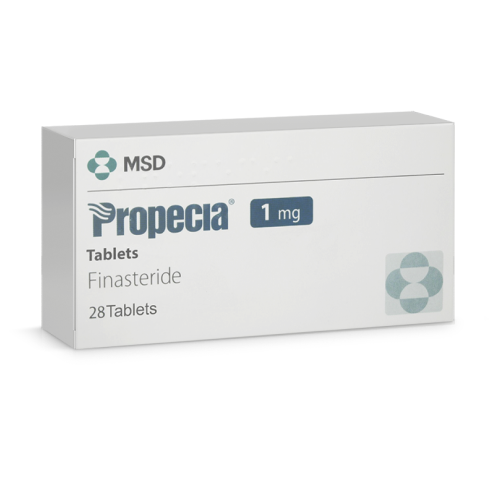
- Packaging: Branded Propecia comes in a white box with blue and green accents, displaying the manufacturer (Merck) and U.S. NDC (National Drug Code).
- Tablet: Round, tan, film-coated, marked with a unique identifier (“P” or “MSD 72”) and a scored line (but not intended for splitting).
- Blister Pack: Each tablet is individually sealed; each blister and box has matching expiration and lot numbers.
- Security Features: U.S. packaging often includes a QR code or holographic sticker for authenticity. These should scan to the manufacturer’s site or verification portal.
Psychological Support: Coping with Hair Loss
Experiencing hair loss is common and can impact self-confidence. Many men face similar challenges and find that discussing concerns with a trusted partner or qualified mental health professional can be helpful. Remember, addressing hair loss is not just about appearance but also about feeling comfortable in your own skin.
What To Do in Case of Overdose: Emergency Steps
- Stop using Propecia immediately.
- Call Poison Control (1-800-222-1222) or emergency services (911) in the United States.
- Inform the clinician about the exact amount of finasteride ingested and the time of the event.
- Do not induce vomiting unless instructed by medical personnel.
- Bring the medication container to the emergency facility for identification.
There is no specific antidote for finasteride overdose, but supportive care is provided. Acute overdose is rarely life-threatening, but observe for symptoms such as allergic reactions or unusual side effects.
Clinical Assessment by doctor: When Is Propecia the Right Choice?
From a clinical perspective, Propecia is most likely to benefit adult men experiencing mild-to-moderate vertex and mid-scalp hair thinning who have noticed progressive shedding over the past several years. Younger patients, and those starting therapy soon after noticing hair loss, typically experience the best results. Conversely, patients with advanced baldness, scarring alopecia, or predominantly frontal hairline recession are less likely to benefit. Propecia should generally not be the first line for those with significant psychiatric disease, active liver dysfunction, or men seeking rapid, dramatic regrowth. I frequently recommend reevaluating therapy if side effects develop or no benefit is observed after one year. In some situations, alternatives such as topical minoxidil or hair transplantation may be preferable. The key benefit-risk consideration remains balancing the desire for hair retention with the potential for sexual, mood, or fertility-related side effects, and ongoing communication between patient and physician is vital for successful long-term therapy.
Frequently Asked Questions About Propecia in the United States
- Is Propecia effective for all types of hair loss?
-
No, Propecia is only effective for androgenetic alopecia (male pattern baldness). It does not work for hair loss caused by other conditions such as alopecia areata, thyroid disorders, or scarring alopecia.
- Can women take Propecia for hair loss?
-
No, Propecia is not approved for use in women and may cause birth defects if handled by women who are pregnant or may become pregnant.
- How long do I need to take Propecia to see results?
-
Most men see a slowing of hair loss within three months and visible regrowth or thickening within six to twelve months. Ongoing daily use is required to maintain benefits.
- Does insurance cover Propecia or generic finasteride?
-
Most U.S. health insurance plans do not cover finasteride for hair loss, as it is considered a cosmetic treatment. Coverage may be available for other indications, such as benign prostatic hyperplasia.
- Do I need a new prescription each time I refill Propecia?
-
This depends on your prescriber’s orders and pharmacy policy, but most prescriptions are valid for up to one year with automatic refills allowed. Check with your provider or pharmacist.
- Can I buy Propecia legally online in the United States?
-
Yes, but only from licensed U.S. pharmacies that require a valid prescription. Avoid unauthorized sellers offering the drug without a prescription.
- Is it safe to use Propecia and minoxidil together?
-
Yes, using oral finasteride and topical minoxidil together is a common and generally safe combination that may improve results.
- What happens if I stop taking Propecia?
-
Any hair gained or retained due to the drug will typically be lost within 12 months of stopping therapy, with a return to your baseline level of hair loss.
- Are there natural alternatives to Propecia?
-
Some supplements and herbal remedies are marketed for hair loss, but none have demonstrated the same efficacy in clinical trials as finasteride or minoxidil. Consult your doctor before trying alternative products.
- Can Propecia cause permanent side effects?
-
Most side effects resolve after stopping the drug, but there are rare reports of persistent symptoms (sexual dysfunction, mood changes) after discontinuation. This is uncommon, but should be discussed with your doctor.
References