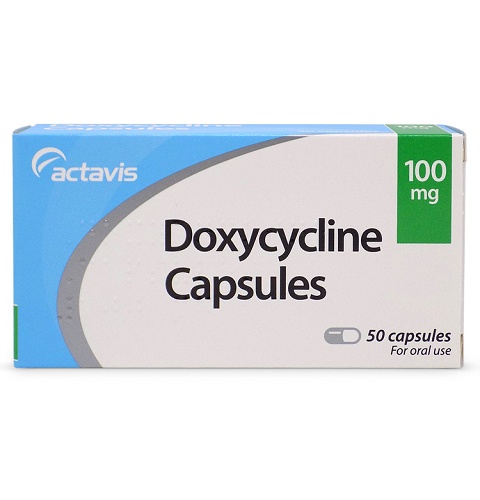
Buy Doxycycline Without Prescription in the United States Online
This article is for informational purposes only. Medication use is only possible after consultation with a doctor. Self-medication can be dangerous or even life-threatening. Always obtain Doxycycline through a licensed healthcare professional in the United States.
Can You Get Doxycycline Without a Prescription in the United States?
No, you cannot legally obtain Doxycycline without a prescription in the United States. According to the U.S. Food and Drug Administration (FDA), Doxycycline is a prescription-only antibiotic. Purchasing or using Doxycycline without a valid prescription is both unsafe and illegal. Only a licensed healthcare provider can determine if Doxycycline is appropriate for your condition, and provide dosing instructions to minimize risk of side effects or resistance.
Generic: ~$10-30/30 capsules, Brand: higher (varies by pharmacy and insurance)
Doxycycline is only safe and legal when prescribed by a licensed U.S. healthcare provider.
Never buy Doxycycline from non-verified websites or without a prescription.
Follow your doctor’s instructions on dosing, timing, and food/alcohol interactions.
How Does Doxycycline Work? (Mechanism of Action Explained)
Doxycycline is a broad-spectrum tetracycline antibiotic. Its primary mechanism involves inhibiting bacterial protein synthesis by binding to the 30S ribosomal subunit of susceptible bacteria. This blocks the attachment of aminoacyl-tRNA to the mRNA-ribosome complex, preventing the addition of new amino acids to the growing peptide chain. As a result, bacteria cannot produce essential proteins and are unable to grow or replicate.
Simplified Metaphor: Imagine bacteria as a factory. Doxycycline “jams the assembly line,” stopping the factory from producing key components needed for survival.
It works independently of the immune system.
Not effective against viruses or fungi.
Some bacteria may develop resistance if Doxycycline is overused or not taken for the full prescribed course.
Key Point: Doxycycline acts on bacteria only—taking it for viral infections like the common cold offers no benefit and increases risk of resistance.
Recent data (2024, PubMed): Doxycycline remains effective against many common pathogens, though resistance is a growing concern. Always test for bacterial susceptibility when possible.
Dosing and Duration: How to Take Doxycycline Safely
Indication
Typical Adult Dose (U.S.)
Usual Duration
Respiratory/skin infections
100 mg twice daily
7–14 days
Acne
50–100 mg once/twice daily
Weeks–months
Lyme disease
100 mg twice daily
10–21 days
Malaria prevention
100 mg once daily
Start 1–2 days before travel, continue through exposure, and for 4 weeks after return
Never exceed the maximum dose: 200 mg per day for most adults unless directed by your doctor.
Swallow capsules/tablets whole with a full glass of water.
Avoid lying down for at least 30 minutes after taking a dose (prevents esophageal irritation).
If you miss a dose, take it as soon as you remember—but never double up to make up for a missed dose.
Do not split tablets or open capsules unless instructed by your doctor or pharmacist.
For children and people with kidney or liver impairment, dosing may be adjusted or alternative antibiotics considered. Always follow specific instructions from your healthcare provider.
Can You Take Doxycycline With Food, Alcohol, or Other Medications?
Food Interaction
Doxycycline absorption can be reduced by dairy products, antacids, and supplements containing calcium, magnesium, aluminum, or iron. Take Doxycycline at least 1 hour before or 2 hours after such products.
Fatty Meals
High-fat meals may delay absorption by up to 60 minutes, but do not significantly reduce total absorption. Taking with a light meal can reduce stomach upset if needed.
Alcohol
Moderate alcohol intake does not have significant contraindications, but heavy drinking should be avoided due to increased risk of liver toxicity and decreased immunity. Always discuss alcohol use with your doctor.
Grapefruit Juice
No significant interaction reported. However, it is not recommended to mix with other medications known to interact with grapefruit.
Other Medications
Anticoagulants (warfarin): Potentiation of blood thinning effect. Close monitoring required.
Oral contraceptives: May slightly reduce efficacy—use backup contraception if needed.
Seizure medications (phenytoin, barbiturates): May lower Doxycycline blood levels.
Myth vs Reality: Myth: “Doxycycline can be taken with any food or drink.” Reality: Dairy, minerals, and antacids interfere with absorption—time doses accordingly.
Who Should Not Take Doxycycline? (Absolute and Relative Contraindications)
Absolute Contraindications
Pregnancy (especially 2nd and 3rd trimesters): Risk of permanent tooth discoloration and bone growth inhibition in the fetus.
Children under 8 years of age: Can cause permanent yellow-gray tooth staining and enamel hypoplasia.
Severe liver disease: Increases risk of toxicity and accumulation.
Known allergy to Doxycycline, tetracyclines, or excipients in the formulation.
Relative Contraindications (Use with Caution)
Kidney disease (mild to moderate): May require dose adjustment.
History of esophageal disorders (e.g., GERD): Higher risk of irritation.
Breastfeeding: Excreted in breast milk—discuss risks/benefits with your doctor.
Immunosuppressed patients: May require enhanced monitoring.
Why these restrictions? Tetracyclines can deposit in growing bones and teeth, potentially causing permanent changes in children and fetuses. Liver and kidney dysfunction affect drug metabolism and clearance, increasing side effect risk.
What Side Effects Are Most Common With Doxycycline?
Severe skin reactions (Stevens-Johnson syndrome, DRESS)
Liver inflammation (hepatitis)
Blood clotting abnormalities
Increased pressure in the skull (pseudotumor cerebri)
Very Rare
Anaphylactic reaction (life-threatening allergy)
Serious kidney or liver injury
What should I do if I experience side effects? For mild effects (nausea, mild rash), notify your doctor—adjusting dose or timing may help. For serious symptoms (swelling, difficulty breathing, severe rash, vision changes), seek immediate medical attention by calling 911 in the U.S.
Myth vs Reality: Myth: “Antibiotic side effects mean the drug isn’t working.” Reality: Side effects do not indicate lack of effectiveness. Contact your healthcare provider if you are concerned.
Doxycycline vs. Alternative Antibiotics: A Comparison Table
Bottom line: Doxycycline covers a wide range of bacteria and is preferred for certain infections (Lyme disease, acne, malaria prevention), but is not always the first line for respiratory or urinary tract infections. Your doctor will choose based on your infection, allergies, and medical history.
Step-by-Step Guide: How to Obtain Doxycycline Legally in the U.S.
Consult a licensed healthcare provider. This can be in person at a clinic, or via telemedicine/virtual care (available in all 50 states).
Undergo evaluation. Your provider will assess your symptoms, medical history, allergies, and any potential drug interactions.
Receive a written or electronic prescription. If indicated, the provider will prescribe the appropriate Doxycycline dose.
Fill your prescription at a licensed pharmacy. This can be a local chain (e.g., CVS, Walgreens, Rite Aid), independent pharmacy, or a licensed online pharmacy. Look for the VIPPS seal for online pharmacies (see NABP VIPPS).
Use your insurance card (if applicable). Doxycycline is typically covered by employer, Medicaid, or Medicare plans in the U.S. If uninsured, ask about generic pricing programs.
Important: Never purchase Doxycycline from websites that do not require a prescription. Risks include counterfeit drugs, legal penalties, and health complications.
How to Spot Counterfeit or Substandard Doxycycline in the U.S.
Original Doxycycline: What to Look For
Pharmacy-labeled bottle or manufacturer-sealed blister packs
Manufacturer name, lot number, and expiration date clearly printed
Uniform color, size, and shape of tablets/capsules
Packaging may include QR codes, holograms, or security stickers (especially for brands)
Patient information leaflet in English
Pharmacy receipt and counseling sheet
Counterfeit Warning Signs
Unusually low price, especially from unverified online sources
Missing or blurry labeling, spelling errors, or packaging in a foreign language
Unusual color, texture, or size of tablets/capsules
Absence of U.S. FDA approval statement, or outside packaging not matching verified U.S. brands
Generics are FDA-approved equivalents of brand name drugs, with the same active ingredient, strength, safety, and efficacy. Inactive ingredients (excipients) may vary; rarely, allergic reactions can occur to excipients. Discuss concerns about generic substitutions with your pharmacist.
Compatibility Table: Doxycycline and Other Common Medications
Product/Drug
Can Combine?
Possible Effects / Risks
Tylenol (acetaminophen)
Yes
No significant interaction
Ibuprofen
Yes (with caution)
Monitor for GI upset
Antacids (Tums, Maalox)
No (same time)
Reduces Doxycycline absorption; separate by 2+ hours
Oral contraceptives
Yes (backup recommended)
May decrease effectiveness; use backup birth control
Warfarin
Yes (monitor)
Possible increased bleeding risk
Alcohol
Limited
Minimize for liver safety
Dairy (milk, cheese, yogurt)
No (same time)
Reduces absorption; take Doxycycline 1-2 hours apart
If in doubt, ask your pharmacist for a personalized interaction check.
What to Do in Case of Doxycycline Overdose
Stop taking the medication immediately.
Call 911 or your local U.S. emergency services right away if you experience severe symptoms (difficulty breathing, confusion, seizures, severe vomiting).
Provide the following information to medical personnel:
Exact dose and time taken
Any other medications or substances involved
Your age, weight, and medical conditions
Follow all instructions from emergency personnel and bring the medication bottle/package with you if possible.
There is no specific antidote for Doxycycline overdose; treatment focuses on managing symptoms and supporting your body’s functions.
Doxycycline Use in Special Populations
Elderly Patients
No specific dose adjustment usually needed, but monitor for side effects, especially in those with impaired kidney or liver function.
People with Chronic Kidney Disease
Doxycycline is less dependent on kidney clearance than other tetracyclines but consult your doctor for possible dose adjustments.
Pregnancy & Breastfeeding
Contraindicated during the 2nd and 3rd trimesters of pregnancy. For breastfeeding, discuss risks and alternatives with your healthcare provider.
Children
Not recommended under age 8 (risk of permanent tooth discoloration and bone growth effects).
Driving and Machinery Operation
Doxycycline does not cause drowsiness but rare side effects (dizziness, visual changes) may impact safety. If you experience these, avoid driving or operating machinery.
Fertility
No evidence that Doxycycline at therapeutic doses impairs fertility in men or women.
Doxycycline Generics vs. Brand Name: Is There a Difference?
What are Generics?
Generic Doxycycline contains the same active ingredient, strength, and efficacy as brand-name versions (e.g., Vibramycin). Generics must meet strict FDA requirements for bioequivalence and safety.
Are Generics Safe?
Yes, provided they are obtained from a licensed U.S. pharmacy. Generics may have different inactive ingredients (fillers, colorants); report any allergic reactions to your provider.
Parameter
Brand Name
Generic
FDA Approval
Yes
Yes
Bioequivalence
Reference Standard
Must match brand for absorption and efficacy
Price (2026 avg.)
$40–75/30 capsules
$10–30/30 capsules
Appearance
Consistent (brand logo, color)
Varies by manufacturer
Excipient risk
Low
Low, but varies by product
Takeaway: For most people, generic Doxycycline is equally effective and more affordable. Insist on a licensed U.S. pharmacy to ensure product quality and safety.
Frequently Asked Questions (FAQ)
1. Is Doxycycline safe for long-term use?
Doxycycline may be used long term for specific conditions (e.g., acne, rosacea) under close medical supervision. Regular monitoring for side effects is essential.
2. Can I stop taking Doxycycline if I feel better?
No. Always complete the full course unless told otherwise by your doctor; stopping early increases risk of bacterial resistance and relapse.
3. Does Doxycycline treat viral infections like COVID-19 or the flu?
No. Doxycycline is not effective against viruses. It should only be used for bacterial infections as prescribed.
4. What happens if I take Doxycycline with dairy or antacids?
Dairy and antacids can significantly reduce absorption. Separate doses by at least 2 hours for full effectiveness.
5. Can I get Doxycycline delivered to my home in the U.S.?
Yes, many licensed U.S. pharmacies offer mail-order or home delivery for prescriptions. A valid prescription is always required.
6. Is Doxycycline covered by insurance?
Most employer, Medicare, and Medicaid plans cover generic Doxycycline; copays or prior authorization may apply.
7. What if Doxycycline doesn’t work for my infection?
Contact your doctor. You may need a different antibiotic, a longer course, or further testing for resistance or an alternative diagnosis.
We use cookies to ensure that we give you the best experience on our website. If you continue to use this site we will assume that you are happy with it.