
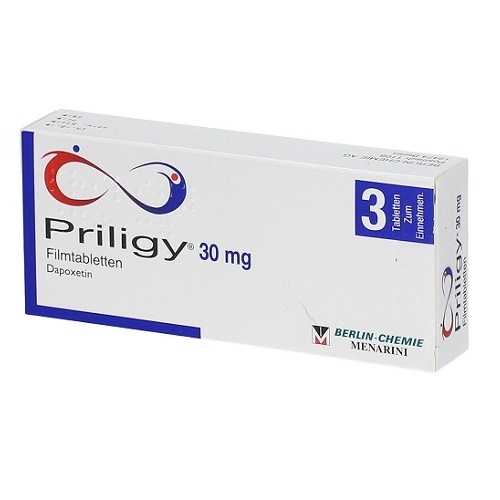
When Priligy Makes Sense—and When It Doesn’t
It’s the private frustration that rarely leaves the bedroom: finishing sooner than you—or your partner—want. For men seeking answers, internet searches often land on Priligy. But is it the right fit for every case of premature ejaculation?
If you’re reading this, you may have tried behavioral techniques, performance anxiety is all too familiar, and the thought of another disappointing encounter makes you dread intimacy. Priligy builds its promise on a unique approach: a pill you don’t take every day, but only before sex, aiming to delay ejaculation just enough to restore confidence and control. But the reality is more nuanced than the headlines let on.
Priligy is not a cure. It is a short-acting tool designed to help men whose rapid ejaculation causes significant distress and relationship difficulties, and who have not responded to psychological or behavioral methods alone. For men with mild symptoms, or those who experience occasional rapid ejaculation tied to stress, Priligy might add risk or disappointment without clear benefit.
On the other hand, if you’re looking for a medication that you control—one you can take only when needed, and that wears off in a matter of hours—Priligy may align with your lifestyle and expectations better than daily antidepressants or topical creams.
- Priligy is a good fit when: You want on-demand control, have a clear diagnosis of premature ejaculation, and behavioral interventions haven’t worked.
- Priligy is a poor fit when: You have underlying heart conditions, take certain antidepressants, or are seeking a permanent fix. It’s also not for men who just want to “last longer” without distress or impairment.
In practice, many men discover Priligy after feeling let down by vague advice or over-the-counter supplements. The real decision comes down to your diagnosis, your health status, and your expectations about what a pill can—and cannot—change.
The Experience of Taking Priligy: What to Expect
Most men want to know not just “does it work?” but “what will it actually feel like, and how much does it really help?” with Priligy. The truth: Priligy’s benefits and side effects are uniquely tied to its fast, on-off action and its selective use—unlike daily antidepressants or ongoing topical treatments, Priligy is in your system only a few hours at a time.
When you take Priligy, effects begin quickly—usually within one to three hours. For many, the initial experience is subtle: a sense of slightly more control, less anxiety about “losing it,” and, for some, a noticeably longer interval before ejaculation. On average, men in clinical studies doubled or tripled their time to ejaculation (from about one to two minutes up to three to six), but the benefit varied widely, and not every man notices the same degree of improvement.
Because Priligy acts on serotonin pathways in the brain, some men report feeling a brief “wave” of mild nausea, lightheadedness, or even a vague sense of alertness. These side effects usually fade within a few hours, but they shape the experience in ways worth knowing about—especially if you have never used an antidepressant before.
After several uses, many men find they lose the initial “performance anxiety” about timing—but a smaller group experiences diminishing returns, or side effects that outweigh the benefit. The experience can also be shaped by alcohol use, sexual context, and personal health factors.
- Typical benefits: More control, longer intercourse, increased satisfaction (for patient and sometimes partner).
- Possible side effects: Nausea, headache, dizziness, insomnia, or feeling “on edge.”
- Duration: Effects fade within 12-24 hours, with most impact in the first 4-6 hours after taking a dose.
Importantly, Priligy is not addictive, does not need to be tapered, and does not alter sexual function permanently. But it is not magic: successful use requires realistic expectations, and being alert to side effects that may require adjusting the dose or discontinuing use.
Priligy Versus Other Options in Premature Ejaculation
Most men with premature ejaculation in the United States are offered a choice: try on-demand Priligy (dapoxetine), daily selective serotonin reuptake inhibitors (SSRIs), topical anesthetics, or behavioral strategies. Each path has its advocates, its detractors, and its place in clinical practice. But the right option depends on more than just effectiveness—it’s a matrix of convenience, side effects, regulatory status, and how much “medicalization” you want in your sex life.
| Attribute | Priligy (Dapoxetine) | Daily SSRIs (e.g., Paroxetine, Sertraline) | Topical Anesthetics (e.g., Lidocaine Spray) |
|---|---|---|---|
| Prescription status (U.S.) | Prescription only | Prescription only | Available OTC and by prescription |
| How taken | Oral tablet, 1–3 hours before sex | Oral tablet, daily use | Applied to penis before sex |
| Onset & duration | Works within 1–3h, lasts ~6h | Weeks to onset, lasts 24h+ | Works in 10–30 min, wears off within hours |
| Effectiveness | 2–3x delay in most men, variable by dose | 2–5x delay, efficacy increases with time | 1.5–2x delay, often less predictable |
| Key side effects | Nausea, dizziness, headache | Weight gain, libido changes, mood effects | Numbness, transfer to partner, skin irritation |
| Major contraindications | Cardiac history, strong CYP3A4 inhibitors | Bipolar disorder, drug interactions | Broken skin, allergy to anesthetics |
| Monitoring needed | Blood pressure, side effects | Mood, sexual function, interactions | Skin reaction |
| Typical cost (U.S.) | Often $12–$30 per pill, not always insured | Low (generic), usually insured | Low-moderate, OTC not covered by insurance |
| Permanent solution? | No | No | No |
Priligy is the only oral medication FDA-approved for on-demand use in premature ejaculation. Its rapid action means you are not committing to a daily medication or enduring weeks of side effects before any benefit. However, for men who want a predictable, everyday improvement, daily SSRIs may deliver steadier results—at the cost of more ongoing side effects and, sometimes, less flexibility. Topical anesthetics bypass systemic side effects but can affect sensation and may be less discreet, with potential transfer to the partner.
- Dapoxetine
- A short-acting selective serotonin reuptake inhibitor (SSRI) designed specifically for on-demand treatment of premature ejaculation. Unlike other SSRIs prescribed for depression, it is absorbed and eliminated rapidly, minimizing ongoing side effects.
For many men, choosing between these options is less about which is “best” and more about which side effect and convenience profile fits your needs. If you value short-term, on-demand control and are willing to accept mild, time-limited side effects, Priligy is often a leading choice. For ongoing, baseline control, or if anxiety or depression coexists, a daily SSRI may be more appropriate—though this decision should always be made with a doctor familiar with your full health history.
Decoding Dapoxetine: Why This Ingredient Is Different
Dapoxetine isn’t just another SSRI. Its design and approval were driven by a simple realization: men with premature ejaculation didn’t want to “feel medicated” all the time, and most didn’t have depression or anxiety to treat. Traditional SSRIs, like paroxetine or sertraline, achieved delay as a side effect—at the price of daily use and ongoing changes in mood, libido, and sometimes weight.
In contrast, dapoxetine’s chemistry is almost surgical in its timing: it enters the bloodstream quickly after you swallow the pill, peaks in 1-2 hours, and is mostly gone within 24 hours. That’s why Priligy is the rare SSRI you take only when you need it, and why it has a side effect profile more like a pain reliever than a classic antidepressant.
Where other SSRIs build up over weeks, dapoxetine gives you a window: a few hours of delayed climax, then back to baseline. That brings convenience for some, frustration for others—especially if you want to plan intimacy in advance or dislike the pressure of timing.
- Dapoxetine is cleared by the liver via CYP3A4 and CYP2D6 enzymes. Drugs that affect these enzymes (including some antifungals, antibiotics, and HIV medications) can alter its effects and risks.
- It is not suitable for men with significant liver impairment or a history of syncope (fainting).
- Dapoxetine has not been shown to cause dependence or withdrawal symptoms after stopping.
In clinical practice, dapoxetine is chosen when the goal is flexible, on-demand control with minimal ongoing “medicalization” of sex. But its speed demands attention to timing, and it is not a workaround for men seeking to treat depression or generalized anxiety along with sexual symptoms.
The Right Way to Use Priligy: Dosing, Timing, and Mistakes to Avoid
Getting the most from Priligy is about precision—dose, timing, and knowing when to skip a dose. Unlike medications taken daily, Priligy is meant for use only before anticipated sexual activity, and using it incorrectly is one of the most common reasons men give up on it prematurely.
| Patient Group | Recommended Dose | Timing | Max Frequency |
|---|---|---|---|
| Adults 18-64 | 60 mg (standard start); may lower to 30 mg if side effects are problematic | 1–3 hours before sex | Once per 24 hours |
| Older adults (>65) | Not recommended | N/A | N/A |
| Severe renal or hepatic impairment | Contraindicated | N/A | N/A |
| Mild-moderate liver or kidney issues | Use with caution—lower starting dose, close monitoring | 1–3 hours before sex | Once per 24 hours |
What does this mean for you? If you miss the timing (say, by taking it too soon or too late), you may get little effect—or more side effects with no benefit. The first few uses are often a learning curve. Some men find 30 mg is enough with fewer side effects; others need the standard 60 mg to see a benefit.
Alcohol use increases risks—especially dizziness and fainting. Combining Priligy with recreational drugs, opioids, or other serotonergic antidepressants can be dangerous and is never recommended. If you take other medications, bring a full list to your prescriber; many drug interactions involve CYP3A4 inhibitors or inducers, and not all are obvious.
- Take with a full glass of water, with or without food.
- If side effects are severe, lowering the dose is often the first step. Stopping suddenly is safe but will return you to baseline.
- Monitor for dizziness, especially when standing quickly. Sit or lie down if you feel faint.
Avoid operating heavy machinery or driving if you experience drowsiness, dizziness, or blurred vision after taking Priligy.
Which Side Effects Matter Most with Priligy—and When to Act
Every medication has a side effect profile, but Priligy’s is shaped by its rapid action and short exposure. Most side effects are mild and limited to the hours after taking the pill, but several deserve special attention—either because they are warning signs, or because they are easy to miss if you haven’t been warned.
The three most common side effects are nausea, dizziness, and headache. Up to 20% of men report at least one of these, but most find them tolerable or transient. However, a smaller group experiences more severe reactions, sometimes on the first dose.
- Nausea: Often mild, can sometimes be reduced by taking with food.
- Dizziness: Most common when standing. Alcohol, dehydration, or hot weather increases risk.
- Headache: Usually short-lived, treatable with acetaminophen if needed.
- Insomnia or jitteriness: Uncommon but possible, especially with late-evening use.
- Rare but serious: Fainting, irregular heartbeat, serotonin syndrome (if combined with other serotonergic drugs).
Some men worry about long-term risks like sexual dysfunction or mood changes. With Priligy, these are uncommon, since the drug clears quickly and is not taken every day. However, mood changes, anxiety, or unusual thoughts should still be reported promptly—especially if you have a personal or family history of psychiatric disorders.
| Side Effect | How Common? | When to Contact a Doctor |
|---|---|---|
| Nausea | 20–25% | If severe, persistent, or causing vomiting |
| Dizziness/lightheadedness | 10–15% | If associated with fainting, falls, or does not resolve on lying down |
| Headache | 10–12% | If severe, persistent, or with blurred vision |
| Fainting (syncope) | 1–2% | Immediately if occurs—stop use and seek care |
| Serotonin syndrome | Rare | Immediately if confusion, agitation, rapid heartbeat, fever develop—call emergency services |
| Mood changes, anxiety | Rare | If persistent, severe, or with thoughts of self-harm—contact doctor urgently |
In clinical practice, the vast majority of men tolerate Priligy well, but those with underlying heart conditions, a history of fainting, or who take other medications that affect blood pressure or serotonin levels are at higher risk. Always discuss your full medical history and medication list before starting.
When Not to Take Priligy: Clear Red Lines and Clinical Gray Areas
- You have a history of fainting (syncope) or unexplained blackouts.
- You take ongoing antidepressants or other medications that increase serotonin (e.g., MAO inhibitors, SSRIs, SNRIs, tricyclics).
- You have significant heart disease, arrhythmias, or are on certain antiarrhythmic drugs.
- You have moderate to severe liver impairment.
- You are under 18 or over 65 years old.
- You are taking potent CYP3A4 inhibitors (e.g., ketoconazole, ritonavir, certain antibiotics).
- You have mild liver or kidney disease.
- You are prone to low blood pressure or dehydration.
- You have a personal or family history of mood disorders, especially bipolar disorder.
- You occasionally use recreational drugs, opioids, or drink heavily—these increase risk of side effects.
- You take other prescription medications not listed here—always review with your provider.
Clinical experience shows that the biggest risks with Priligy come not from the medication itself, but from unrecognized health issues or undisclosed drug interactions. Honest discussion with your prescriber—especially about “embarrassing” or “minor” health problems—is the best way to reduce risk. Never combine Priligy with ongoing SSRI or SNRI antidepressants. If you are switching treatments, wait at least seven days after stopping another serotonergic drug before starting Priligy.
doctor: “The most serious complications I’ve seen are in men who didn’t mention their other medications or heart issues. If you’re not sure, bring a full list—even supplements. We’d much rather spend an extra five minutes now than see you in the ER later.”
Remember: safety questions are not just about you—they also protect your partner. Skin-to-skin drug transfer is not an issue with Priligy, but impaired decision-making, fainting, or dangerous interactions can affect the safety of both partners.
How to Get Priligy in the United States: Access, Cost, and What to Ask Your Doctor
Priligy’s path from research to pharmacy shelf in the U.S. has been anything but smooth. While dapoxetine has been available in Europe and Asia for over a decade, FDA approval in the United States came later and with tighter restrictions. The result: Priligy is available by prescription only, and not all doctors are familiar with its use for premature ejaculation.
- Getting a prescription: You must see a licensed healthcare provider—usually a urologist, primary care doctor, or telemedicine sexual health clinic. Online “pharmacy” sites are often unregulated—beware of counterfeit pills.
- Pharmacy access: Most large chains can order Priligy, but it may not be stocked routinely. Allow 24–48 hours for fulfillment.
- Generic dapoxetine: Is not approved in the U.S.—offerings on the internet are often unregulated imports and carry significant risks.
- What to ask your doctor: Discuss your full sexual history, expectations, all current medications, and any prior experience with SSRIs or anesthetic creams.
- Follow-up: Expect a review within 4–6 weeks to assess benefit, side effects, and need for dose adjustment or alternative strategies.
Some men are tempted by overseas or online sources offering “generic dapoxetine” without a prescription. This is risky—for your health, your legal record, and your wallet. FDA does not regulate these sources, and content, purity, and safety cannot be guaranteed (FDA).
Bottom line: Priligy is a prescription medication in the United States, best obtained from a licensed pharmacy, with ongoing review by a healthcare provider. If cost is a barrier, discuss alternatives—both medical and non-medical—with your doctor.
FAQ: Real Questions About Priligy from Men in United States
- Can I take Priligy with alcohol?
- No. Alcohol increases the risk of dizziness, fainting, and other side effects with Priligy. Combining the two can cause dangerous drops in blood pressure or loss of consciousness.
- How soon before sex should I take Priligy?
- Most men take Priligy 1 to 3 hours before anticipated sexual activity. Timing is important—too early or too late and you may not get the full benefit.
- Will Priligy make me last all night?
- No. Clinical studies show Priligy typically extends intercourse by two to three times baseline (for example, from one minute to three or four), but it does not “cure” premature ejaculation or guarantee hours-long control. Results vary from person to person.
- Can I take Priligy every day?
- No. Priligy is meant for on-demand use, no more than once in 24 hours. Daily use increases side effects and risks without improving effectiveness.
- Is Priligy safe if I have anxiety or depression?
- If you are already taking antidepressants, or have a history of mood disorders, Priligy may not be safe. It can interact with other psychiatric medications. Always discuss your mental health history with your doctor first.
- Why isn’t Priligy covered by my insurance?
- Most U.S. insurers consider Priligy a non-essential or lifestyle medication, so coverage is inconsistent. Some plans offer partial coverage after prior authorization, but many men pay out of pocket. Ask your pharmacy about manufacturer coupons or discount programs.
- What should I do if I feel faint or dizzy after taking Priligy?
- Lie down immediately and avoid standing up quickly. If symptoms do not pass, or if you actually faint, seek emergency care and stop using Priligy until you speak with your doctor.
- Does Priligy affect fertility or sperm?
- No evidence shows Priligy affects sperm count, motility, or fertility when used as directed. Its effects are short-lived and reversible.
- Can I get Priligy online?
- Legally, you must have a prescription from a licensed provider in the United States. Some telemedicine services offer legitimate prescriptions, but beware of online sellers offering “generic dapoxetine”—these are often illegal and potentially dangerous.
References
- U.S. Food and Drug Administration
- Premature Ejaculation: Causes and Treatments, Mayo Clinic
- Premature Ejaculation: Diagnosis and Management, American Urological Association, 2022
- PubMed
- ClinicalTrials.gov
- European Medicines Agency
- Priligy (Dapoxetine) Prescribing Information, Manufacturer, 2023
- Guidelines on Male Sexual Dysfunction, American Urological Association, 2021
