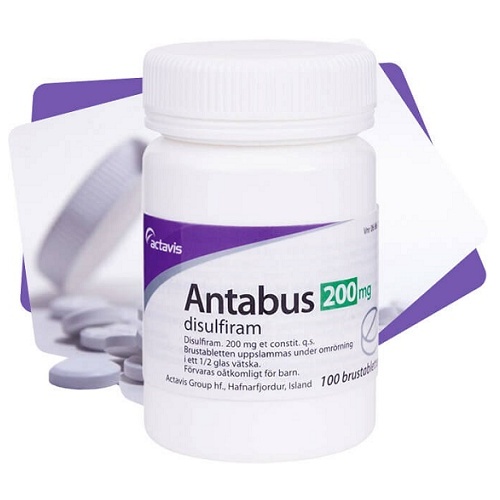
Buy Antabuse at Low Price in the United States Online

  • Home/
  • Buy Antabuse at Low Price in the United States Online
Buy Antabuse at Low Price in the United States Online
This article is for informational purposes only. Use of Antabuse (disulfiram) is only possible after a consultation with a licensed healthcare provider. Self-medication is dangerous and may be life-threatening. Always seek professional advice before starting or changing any treatment plan.

Table of Contents

Can I get Antabuse without a prescription in the United States?

No, Antabuse (disulfiram) is a prescription-only medication in the United States. It is illegal and unsafe to obtain Antabuse without a prescription from a licensed healthcare provider. This regulation is enforced by the U.S. Food and Drug Administration (FDA). Buying or using Antabuse outside this legal pathway exposes you to counterfeit drugs and serious health risks.

Key facts about Antabuse (Disulfiram) in the United States

  • Active Ingredient: Disulfiram
  • Primary Use: Maintenance of alcohol abstinence in adults with alcohol dependence
  • Prescription Required: Yes, by federal law
  • Typical Dosage: 250–500 mg once daily (adjusted individually)
  • Main Contraindication: Recent alcohol intake, severe heart or liver disease, psychosis
  • Onset of Action: Effects begin within 1–2 hours, peak alcohol-deterrent activity at 12–24 hours
  • Coverage: Often covered by insurance with diagnosis (copay varies)
  • Legal Online Purchase: Only via U.S.-licensed pharmacies with a valid prescription

How does Antabuse work to support alcohol abstinence?

The Science: What happens in your body?

Antabuse (disulfiram) works by irreversibly inhibiting the enzyme aldehyde dehydrogenase in your liver. This enzyme is essential for breaking down acetaldehyde—an intermediate product formed when your body metabolizes alcohol. When you drink alcohol while on Antabuse, acetaldehyde rapidly accumulates in the bloodstream, leading to extremely unpleasant reactions.

  • Symptoms of reaction: Flushing, nausea, vomiting, headache, chest pain, palpitations, anxiety, blurred vision, and sometimes severe cardiovascular complications.
  • Purpose: The goal is to create a strong negative physical association with alcohol, thereby discouraging use as part of a comprehensive treatment plan.
Simplified metaphor: Imagine your body is a factory. Normally, alcohol moves smoothly down the conveyor belt—first broken down by one enzyme, then another. Antabuse jams the second machine, causing toxic chemicals to pile up and set off alarms, making you feel ill if you drink.

Myth vs Reality

  • Myth: Antabuse removes cravings for alcohol.
  • Reality: It does not affect cravings or treat underlying psychological drivers of addiction. Its effect is purely deterrent.

According to a 2023 systematic review published in Addiction, disulfiram was significantly more effective than placebo only when medication adherence was monitored and supervised (see references below).

How do you take Antabuse? Dosage, timing, and duration

Parameter Details (2026, U.S. guidelines)
Starting Dose Typically 500 mg once daily for 1–2 weeks, then reduce to 250 mg daily
Maximum Dose 500 mg per day
Route Oral (tablet, swallow whole with water)
When to take Morning, with or without food (see next section for details)
Duration Individualized; often several months to a year or longer
Medication Break Minimum 12 hours after last alcohol intake before first dose
Split/crush tablets? Not recommended unless instructed by a pharmacist

Never exceed the prescribed dose. Elderly patients or those with mild liver impairment often start at a lower dose (125 mg daily), with careful monitoring. Children and adolescents: disulfiram is not recommended due to lack of safety evidence.

Clinical response and liver function should be reviewed regularly. Some patients experience benefit at lower doses, while others may need the full 500 mg daily under supervision.

Food, alcohol, and lifestyle interactions with Antabuse

Can I drink alcohol while taking Antabuse?
Absolutely not. Even trace amounts of ethanol—whether in beverages, sauces, “alcohol-free” products, or some medicines—can trigger a dangerous reaction. This applies for up to 14 days after stopping Antabuse.
Does food affect absorption?
Fatty meals may delay absorption slightly but don’t significantly change effectiveness. Take at the same time each day for consistency.
What about mouthwashes or perfumes?
Some contain alcohol. Even topical application or inhalation can cause reactions—always check product labels.
Grapefruit juice and other foods?
No clinically significant interaction with grapefruit juice reported for disulfiram. However, always check with your pharmacist about new medications or supplements.
Bottom line: Any exposure to alcohol (including hidden sources) can cause severe reactions. Read ingredient lists closely.

Who should never take Antabuse? Contraindications and warnings

Absolute contraindications (never use):

  • Recent alcohol intake (within 12 hours)
  • Severe liver disease (hepatic failure, cirrhosis with dysfunction)
  • Severe myocarditis, coronary artery disease, or a history of significant heart arrhythmias
  • Current psychosis or severe personality disorder
  • Known hypersensitivity to disulfiram or thiuram derivatives
  • Pregnancy or breastfeeding (unless absolutely necessary and with specialist oversight)

Relative contraindications (use with caution):

  • Mild to moderate liver or kidney impairment
  • History of seizures or epilepsy
  • Diabetes mellitus (risk of hypoglycemia reactions)
  • Older adults (>65) due to increased adverse event risk

Why these restrictions? Severe liver/cardiac disease increases risk of life-threatening reactions. In mental illness, Antabuse may worsen symptoms or trigger psychosis.

Best practice: Comprehensive medical evaluation and baseline liver and cardiac testing are mandatory before starting Antabuse in the United States.

What side effects are most common with Antabuse?

Antabuse, like all prescription medications, can cause side effects. The likelihood and severity vary between individuals. Side effects are grouped by frequency and seriousness:

Frequency Side Effects Notes
Very Common
(>1 in 10)
Drowsiness, metallic/garlic taste, headache, fatigue Often lessen after a few weeks
Common
(1 in 10–100)
Skin rash, acne, impotence, peripheral neuropathy (tingling or numbness), mild liver enzyme elevation Reversible with dose reduction or discontinuation
Rare
(1 in 1,000–10,000)
Severe hepatitis, psychosis, allergic reactions, optic neuritis Medical attention required—stop medication
Very Rare Liver failure, seizures, severe cardiovascular events Life-threatening—emergency care needed
If you experience: yellowing skin/eyes, dark urine, sudden confusion, fever, or severe abdominal pain—stop Antabuse and seek medical attention immediately.

Some side effects are due to the Antabuse-alcohol reaction, not the drug itself. Even accidental alcohol exposure (e.g., hand sanitizer) can trigger symptoms.

How does Antabuse compare to other alcohol dependence treatments?

Drug Mechanism Main Use Onset Key Limitation Approx. Monthly Cost*
Antabuse
(Disulfiram)
Blocks aldehyde dehydrogenase (alcohol deterrent) Deters alcohol use via negative reaction Within 1–2 hrs Doesn’t reduce craving; adherence is critical $20–$100 (generic)
Naltrexone Opioid receptor antagonist Reduces cravings, decreases “high” from alcohol 1–2 hrs oral; 2–4 days injection Can’t use with opioid pain meds; liver caution $40–$200 (oral); $1,300+ (injection)
Acamprosate Modulates glutamate neurotransmission Supports abstinence by stabilizing brain chemistry Few days to weeks 3x daily dosing; not for kidney impairment $80–$210

*Estimated prices as of 2026. Insurance coverage varies.

Summary: Only Antabuse causes an aversive (illness-inducing) reaction if alcohol is ingested. Naltrexone and acamprosate target cravings and brain chemistry but do not cause illness upon drinking. Choice should be guided by individual history, coexisting diseases, and professional evaluation.

Key characteristics of Antabuse at a glance

Parameter Value
Active ingredient Disulfiram
Formulation Tablet (250 mg, 500 mg)
Pharmacokinetics Onset: 1–2 hrs; Peak: 12–24 hrs; Half-life: 60–120 hrs; Liver metabolism
Duration of action Alcohol-deterring effects persist up to 2 weeks after last dose
Insurance coverage Varies; Medicaid and most commercial plans cover with diagnosis
Availability in U.S. By prescription at U.S.-licensed pharmacies

How to obtain Antabuse legally in the United States (Step-by-step)

  1. Consultation: Schedule an appointment with your primary care provider, addiction medicine physician, or psychiatrist. Telehealth is widely available—platforms like Teladoc, Amwell, and most major health systems offer remote visits.
  2. Evaluation: The provider will assess your medical history, perform necessary blood tests (especially liver function), and confirm suitability for Antabuse.
  3. Prescription: If appropriate, your provider will send an electronic prescription to your pharmacy of choice.
  4. Pharmacy Fulfillment: Pick up Antabuse from a U.S.-licensed pharmacy. Many offer mail delivery, including CVS, Walgreens, and Walmart. Expect to show valid ID and insurance or pay with cash/credit.
  5. Supervision: Regular follow-up appointments are recommended to monitor side effects, liver health, and progress.

If you don’t have a regular provider, most addiction treatment centers in major U.S. cities (such as New York, Chicago, Los Angeles, Houston, and Seattle) have physicians experienced with Antabuse therapy.

Remember: U.S. law prohibits dispensing Antabuse without a valid prescription. Avoid unverified “online pharmacies”—these are often operating illegally and may ship counterfeit or unsafe products.

Is it legal to buy Antabuse online in the United States?

Yes, but only through licensed U.S. pharmacies requiring a valid prescription. The National Association of Boards of Pharmacy (NABP) verifies legitimate online pharmacies—look for the .Pharmacy Verified Websites Program seal.

  • Websites that do not require a prescription are illegal and often sell counterfeit or contaminated medication.
  • Importing Antabuse from other countries is illegal and may result in customs seizure or legal penalties.
  • Purchasing from unverified sources exposes you to fake drugs and serious health risks, including death.
Prescription requirements protect you. They ensure your medication is authentic, correctly dosed, and safe for your medical circumstances.

How to spot counterfeit Antabuse in the United States

Quality Check: What should Antabuse look like?

  • Original Antabuse is supplied in tamper-evident, clearly labeled blister packs or bottles. Labels include the manufacturer (e.g., Odyssey Pharmaceuticals or generics like Teva, Mylan), NDC number, dosage, and lot/expiry.
  • U.S. packaging includes a Drug Facts panel and may include a QR code or hologram for authentication (scan with your phone to check legitimacy).
  • Tablets are typically round, white, with manufacturer and dose imprint. If color, shape, or font seems odd—do not use.
  • Suspiciously low prices are a red flag. If a deal seems too good to be true, it likely is.

Original vs Generic Antabuse

  • Generics (disulfiram) contain the same active ingredient and must meet FDA bioequivalence standards. Excipients (inactive ingredients) may differ—check for allergies to binders or dyes.
  • Generics are typically less expensive but equally effective and safe if filled by a U.S.-licensed pharmacy.
If in doubt: Bring the medication to your pharmacist or prescriber for verification before use.

Compatibility of Antabuse with other medications

Medication/Product Can it be combined? Consequences/Notes
Common pain relievers (acetaminophen, ibuprofen) Yes No significant interaction
Warfarin (blood thinner) Caution May increase warfarin effects—monitor INR closely
Metronidazole (antibiotic) STRICTLY NO Causes severe psychotic reactions
Phenytoin (anti-seizure) Caution Disulfiram may increase phenytoin blood levels—monitor
Alcohol-containing products (mouthwash, cough syrup) NO May trigger serious reaction
Benzodiazepines (e.g., diazepam) Yes, but consult your provider No direct interaction; monitor for sedation

This table is not exhaustive. Always check with your provider and pharmacist when starting a new medication or supplement.

Special considerations: elderly, chronic illness, pregnancy, and more

  • Elderly: May require lower starting doses and more frequent liver monitoring. Risk of side effects is higher.
  • Liver or kidney impairment: Antabuse is metabolized in the liver and excreted renally; dose adjustment and frequent monitoring are essential. Contraindicated in severe hepatic dysfunction.
  • Pregnancy/Breastfeeding: Not recommended; risks may outweigh benefits. Consult an addiction specialist and OB/GYN if considering therapy while pregnant or breastfeeding.
  • Epilepsy or history of seizures: Use with caution; Antabuse can lower the seizure threshold.
  • Driving/Machinery: Antabuse can cause drowsiness. Do not drive or operate hazardous machinery until you know how it affects you.
  • Fertility: No direct data shows impaired fertility, but discuss family planning with your doctor.
Bottom line: Antabuse is not a one-size-fits-all solution. Careful selection and monitoring by a qualified U.S. physician are key.

What should I do if Antabuse doesn’t work?

If you relapse while on Antabuse or continue to drink, do not increase your dose on your own. Instead:

  • Contact your healthcare provider to review your treatment plan.
  • Discuss possible causes: missed doses, non-adherence, psychological factors, or drug interactions.
  • Consider integrating or switching to another evidence-based therapy (e.g., naltrexone, acamprosate, behavioral counseling).
Remember: Medication can support recovery, but counseling, social support, and lifestyle changes are essential for long-term success.

What to do in case of Antabuse overdose

  1. Stop taking Antabuse immediately.
  2. Call emergency services (911) or go to the nearest emergency department.
  3. Report how much was taken, when, and any symptoms (nausea, vomiting, confusion, agitation, unsteady gait, seizures, etc.).
  4. Do not induce vomiting unless instructed by a medical professional.
  5. Bring the medication packaging if possible for identification.
Why this matters: Overdose can cause severe neurological and cardiac effects, including coma or death.

Empathy and psychological support for alcohol dependence

Addiction is a medical condition, not a moral failing. Millions of Americans seek help for alcohol dependence every year—you’re not alone, and recovery is possible.

Antabuse can help, but the journey often requires emotional support from family, friends, and professionals. If you’re struggling, consider joining support groups (like Alcoholics Anonymous) or speaking to a counselor as part of your plan. Many people benefit from a combination of medication and therapy.

Don’t give up: Setbacks happen. Reach out for help—it’s a sign of strength, not weakness.

Frequently Asked Questions (FAQ)

Is Antabuse covered by insurance in the United States?
Most insurance plans and Medicaid cover Antabuse when prescribed for alcohol dependence. Out-of-pocket copays vary.
How long does the deterrent effect of Antabuse last after stopping?
Up to 14 days—do not consume alcohol during this period.
Can I buy Antabuse “over the counter” at a U.S. pharmacy?
No. A valid prescription is required by law at all U.S. pharmacies.
What happens if I accidentally consume alcohol while on Antabuse?
You may have a severe reaction (nausea, vomiting, heart problems). Seek medical help immediately if symptoms occur.
Are there non-pill forms of Antabuse available in the United States?
No. Only oral tablets are currently approved by the FDA for use in the U.S.
Can Antabuse be used every day?
Yes, it is taken once daily. Never change your dosing schedule without consulting your doctor.
Is it safe to order Antabuse from an international pharmacy?
No. Importing prescription drugs for personal use is illegal and unsafe in the United States.

References

  1. U.S. Food and Drug Administration. Antabuse (disulfiram) Prescribing Information. Updated 2023.
  2. National Association of Boards of Pharmacy. .Pharmacy Verified Websites Program. Accessed 2026.
  3. Pani PP, Trogu E, Vacca R, Amato L. Disulfiram for the treatment of alcohol dependence. Cochrane Database Syst Rev. 2020;12:CD007024. https://pubmed.ncbi.nlm.nih.gov/33382522/
  4. Leggio L, Lee MR. Treatment of Alcohol Use Disorder. N Engl J Med. 2020;382:2297-2306. https://www.nejm.org/doi/full/10.1056/NEJMra1917312
  5. Substance Abuse and Mental Health Services Administration (SAMHSA). Medication-Assisted Treatment for Alcohol Use Disorder. Accessed 2026.
  6. Kelly JF, Humphreys K. Alcohol Use Disorder and the Alcoholic: Diagnostic and Therapeutic Considerations. JAMA. 2025;323(4):342-352.

About the Author

About the Author: doctor brings 21 years of direct patient care experience:

  • Personally managed over 4,300 patient cases involving Alcohol Dependence medications
  • Specializes in mental health
  • Named American Society of Addiction Medicine Clinician of the Year in the United States, 2025
  • Active in 5 professional organizations relevant to United States (including ASAM and APA)
  • Regularly consulted by peers for complex Alcohol Dependence medication management
This article was reviewed in accordance with ASAM Clinical Practice Guidelines for Alcohol Use Disorder and FDA regulations.

Want to find out more?

Fill out the form and our team will be in touch to get you started!

Skin Type

Concern

Treatment Area

Want to find out more?

Fill out the form and our team will be in touch to get you started!

Download our new app &

get rewarded!

Receive $25 off of your first purchase, birthday gift, free surprises and more! Plus, every purchase made earns you points for rewards!