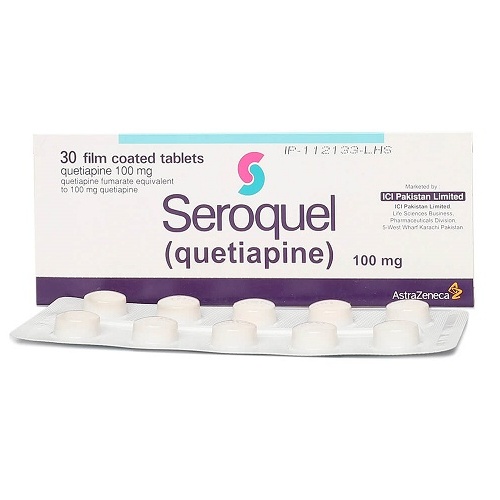
Buy Seroquel Online in the United States – Fast and Secure Ordering

  • Home/
  • Buy Seroquel Online in the United States – Fast and Secure Ordering
Buy Seroquel Online in the United States – Fast and Secure Ordering
This article is for informational purposes only. The use of Seroquel (quetiapine) or any medication is only possible after consultation with a qualified healthcare provider. Self-medication can be dangerous and is not advised.

Seroquel (Quetiapine) in the United States: The Complete Guide for Safe Use, Prescription, and Patient Safety

Is Seroquel Available Without a Prescription in the United States?

No, Seroquel is a prescription-only medication in the United States. It is illegal and unsafe to purchase or use Seroquel without a valid prescription from a licensed healthcare provider. Attempting to obtain Seroquel without a prescription may expose you to counterfeit products and legal consequences.

Key Facts: Seroquel at a Glance

  • Active Ingredient: Quetiapine fumarate
  • Main Use: Treatment of schizophrenia, bipolar disorder, and adjunct in major depressive disorder
  • Prescription Status: Prescription only (Rx) in the United States
  • Onset of Action: Varies by indication; sedation may begin within 1.5 hours for some patients
  • Common Side Effects: Drowsiness, dizziness, dry mouth, weight gain
  • Risk Warning: Black Box warning for increased mortality in elderly patients with dementia-related psychosis and risk of suicidality in children, adolescents, and young adults
  • Cost: Varies by insurance and pharmacy; generic options available
  • Regulatory Authority: U.S. Food and Drug Administration (FDA)

How Does Seroquel (Quetiapine) Work in the Brain?

Neurotransmitter Receptor Effect
Serotonin 5-HT2A Antagonist (reduces psychosis, stabilizes mood)
Dopamine D2 Antagonist (reduces delusions, hallucinations)
Histamine H1 Antagonist (causes sedation, weight gain)
Alpha1-adrenergic Antagonist (may cause dizziness, hypotension)
Muscarinic M1 Weak antagonist (possible dry mouth, constipation)

Seroquel (quetiapine) is classified as a second-generation (atypical) antipsychotic. It works by blocking specific receptors in the brain—primarily serotonin (5-HT2A) and dopamine (D2)—to help manage symptoms of psychotic disorders and mood disturbances. Unlike older antipsychotics, it has a relatively lower risk of movement disorders but may cause sedation and metabolic side effects due to its effects on the histamine and serotonin pathways.

Simple metaphor: Think of Seroquel as a “circuit breaker” that calms overactive pathways in the brain associated with psychosis and mood swings, but sometimes dims other functions, leading to sleepiness or weight gain.

For Seroquel to be effective, consistent daily intake is critical. Unlike rescue medications, it does not work instantly for acute agitation or psychosis and must accumulate in your system.

Seroquel Dosing and Administration: How and When to Take

Standard Starting Doses (Adults):
  • Schizophrenia: Start 25 mg twice daily; typically titrated to 300-400 mg/day in divided doses
  • Bipolar Mania: Start 50 mg twice daily; increase as directed up to 400-800 mg/day
  • Bipolar Depression: Start 50 mg once daily at bedtime; increase up to 300 mg at bedtime
  • Adjunct in Major Depressive Disorder (as XR): 50 mg to 300 mg at bedtime
Maximum Dose:
800 mg/day (do not exceed unless specifically instructed by a psychiatrist)
Elderly or Hepatic/Renal Impairment:
Start at lower doses (12.5-25 mg), titrate more slowly; monitor closely
Can Seroquel Tablets Be Split?
Immediate-release tablets may be split if scored. Extended-release (XR) tablets must not be split, crushed, or chewed.
When to Take:
Often at bedtime due to sedation. Follow your doctor’s schedule.
Duration of Effect:
Half-life is about 6-7 hours for immediate-release; up to 12 hours for XR formulation.

Note: Dosing may vary significantly based on diagnosis, individual response, and co-existing medical conditions. Your psychiatrist or prescriber should individualize your regimen.

Interactions with Food, Alcohol, and Lifestyle Factors

Table: Seroquel Compatibility with Common Substances

Substance Combine? Risks/Advice
Alcohol NO Increased sedation, respiratory depression, risk of overdose
Grapefruit Juice NO Raises blood levels of Seroquel; risk of toxicity
High Fat Meals Yes (with caution) May increase absorption, especially with XR; take as directed
Caffeine Yes (modest) No direct interaction, but may worsen insomnia
Other CNS Depressants (e.g., opioids, benzodiazepines) NO (unless under medical supervision) Increased risk of sedation, respiratory depression

Summary of Key Lifestyle Points

  • Avoid alcohol completely while on Seroquel due to additive sedative effects and risk of overdose.
  • Avoid grapefruit and grapefruit juice; these can interfere with liver enzymes (CYP3A4) and dangerously increase Seroquel blood levels.
  • Take Seroquel XR with or without food, but be consistent. High-fat meals may delay absorption slightly.
  • Smoking may decrease Seroquel levels, but does not usually require dose adjustment unless you start or stop suddenly (discuss with your doctor).
Myth vs Reality: “It’s safe to drink a little alcohol with psychiatric medications.” Reality: Even small amounts of alcohol can increase risks with Seroquel—don’t mix them.

Who Should NOT Take Seroquel? Absolute and Relative Contraindications

Absolute Contraindications (Never Use):

  • Known hypersensitivity or allergy to quetiapine or any component of the formulation
  • Concomitant use with potent CYP3A4 inhibitors (e.g., ketoconazole, itraconazole) unless benefits outweigh risks
  • Patients in a coma or severe central nervous system depression

Relative Contraindications (Use With Extreme Caution):

  • History of prolonged QT interval or cardiac arrhythmias (risk of dangerous heart rhythms)
  • Severe hepatic impairment
  • Uncontrolled diabetes (risk: Seroquel can worsen blood sugar control)
  • History of neuroleptic malignant syndrome (NMS)
  • History of seizures or epilepsy
  • Elderly patients with dementia-related psychosis (increased mortality risk; black box warning)
  • Pregnant or breastfeeding women (not recommended unless benefit clearly outweighs risk)

Why? Seroquel’s effects on the heart’s electrical system (QT prolongation), metabolism (worsening diabetes), and brain (risk of seizures) underlie most serious contraindications. Always disclose your full medical and medication history to your prescriber.

Bottom line: If you have heart issues, diabetes, or are elderly, you must have a risk-benefit discussion with your doctor before starting Seroquel.

What Side Effects Are Most Common with Seroquel?

Frequency Side Effect Possible Mechanism
Very Common
(>10%)
Drowsiness, dry mouth, dizziness, headache, weight gain Antihistaminic and anticholinergic effects, serotonin blockade
Common
(>1%–10%)
Constipation, increased appetite, orthostatic hypotension, elevated cholesterol/triglycerides, fatigue Alpha-adrenergic and metabolic effects
Uncommon
(<1%)
Restless legs, abnormal dreams, increased liver enzymes Central nervous system and hepatic metabolism
Rare (<0.1%) Neuroleptic malignant syndrome, severe allergic reactions, priapism Dopaminergic and vascular effects
  • Metabolic risks: weight gain, increased blood sugar and cholesterol—monitor regularly.
  • Movement disorders: Seroquel is less likely than older antipsychotics to cause tremors or stiffness, but these can still occur, especially at higher doses.
  • Withdrawal symptoms: abrupt discontinuation can lead to nausea, insomnia, or anxiety.

What to do if you experience side effects? For mild symptoms, contact your healthcare provider. For severe symptoms (difficulty breathing, chest pain, high fever, confusion, uncontrollable muscle movements), seek emergency help immediately.

Realistic expectation: Most patients tolerate Seroquel well, but regular monitoring of weight, blood sugar, and cholesterol is essential.

How Does Seroquel Compare to Other Antipsychotics and Mood Stabilizers?

Drug Onset of Sedation Risk of Movement Disorders Weight Gain/Metabolic Risk Cost (Generic/Brand) Unique Pros/Cons
Seroquel
(Quetiapine)
Rapid (within 1–2 hours) Low High Low/Moderate Less risk of tremor; higher sedation, monitor for diabetes
Abilify (Aripiprazole) Minimal sedation Very low Low Moderate/High May be activating; less weight gain, possible restlessness
Risperdal (Risperidone) Moderate Moderate Moderate Low/Moderate Higher risk of sexual side effects; prolactin elevation
Zyprexa (Olanzapine) Rapid Low Very high Low/Moderate Significant weight gain risk, potent for acute mania
  • Seroquel: Best for patients needing sedation, less risk of tremor. Monitor for metabolic effects.
  • Abilify: Lower metabolic risk, may cause insomnia or restlessness.
  • Risperdal: May raise prolactin, leading to sexual side effects.
  • Zyprexa: Effective but high risk for weight gain and diabetes.
Bottom line: No single medication is “best.” The right choice depends on your symptoms, tolerability, and medical history. Always discuss alternatives with a psychiatrist.

Key Seroquel Characteristics: Quick Reference Table

Parameter Value
Active Ingredient Quetiapine fumarate
Formulations Immediate-release, extended-release (XR); tablets only
FDA Approval Yes; multiple indications
Pharmacokinetics Extensive liver metabolism (CYP3A4)
Half-life 6–7 hours (IR), 12 hours (XR)
Cost (2026) Generics: $0.50–$2/tablet; Brand: $8–$15/tablet (depending on pharmacy/insurance)
Prescription Needed Yes (Rx only, U.S. law)
Storage Room temperature, original packaging

How to Spot Counterfeit Seroquel and Ensure Authenticity in the U.S.

  • Packaging: Original Seroquel comes in sealed blister packs or prescription bottles, with “AstraZeneca” or the generic manufacturer clearly labeled. U.S. generics must list the distributor and NDC (National Drug Code).
  • Pill Appearance: Shape and color may vary by strength and manufacturer, but always check for scored tablets, imprints, and matching pill identifiers with your pharmacy’s records. Use resources like Pillbox for verification.
  • Price: Be wary of prices far below U.S. pharmacy rates. Extremely low prices are a red flag for counterfeit or substandard medication.
  • Security Features: Some brands include QR codes, holograms, or tamper-evident seals. U.S. Department of Health & Human Services encourages checking these when present.
  • Never buy from “no prescription” sites: These are often sources of counterfeits and illegal imports. Check for NABP or LegitScript certification before purchasing online.
  • Generics: U.S. generics (quetiapine) are FDA-approved to have the same active ingredient, strength, safety, and efficacy as brand Seroquel. Inactive ingredients (excipients) may differ and can rarely cause allergic reactions—ask your pharmacist if you have allergies or sensitivities.
What to do if in doubt? If the packaging, labeling, or pill appearance seems off, do NOT take the medication. Contact your pharmacy or state board of pharmacy for verification.

What to Do in Case of Seroquel Overdose: Emergency Protocol

  1. Stop taking Seroquel immediately.
  2. Call 911 or contact your local poison control center (1-800-222-1222) in the United States.
  3. Inform emergency responders of the medication, dose, and time taken.
  4. Do not attempt to induce vomiting unless instructed by a medical professional.
  5. Take the pill bottle or packaging with you to the emergency room, if available.
Symptoms of overdose may include: severe drowsiness, rapid heartbeat, low blood pressure, agitation, seizures, or respiratory depression. Immediate medical attention is essential—delays can be life-threatening.

Frequently Asked Questions (FAQ) About Seroquel in the U.S.

Can Seroquel be used every day?
Yes, Seroquel is intended for daily use as prescribed. Do not skip or change doses without your doctor’s advice.
Is Seroquel addictive or can I develop dependence?
Seroquel does not cause classic addiction, but stopping abruptly can cause withdrawal symptoms. Taper slowly under medical supervision.
Can I drive while taking Seroquel?
Seroquel may cause drowsiness or slow reaction times. Do not drive or operate heavy machinery until you know how it affects you.
How long does Seroquel take to work?
Some effects (sedation) appear in hours; full mood or psychotic symptom control may take several days or weeks.
Can Seroquel be used in children or teens?
Seroquel is FDA-approved for certain pediatric uses, but carries higher risk of side effects. Always consult a pediatric psychiatrist.
Is a generic version available in the United States?
Yes. FDA-approved generic quetiapine is widely available and less costly than brand Seroquel.
Does insurance cover Seroquel?
Most U.S. insurers cover generic quetiapine. Prior authorization may be required for the brand name.
What if Seroquel is not effective for me?
Contact your prescriber. Do not increase the dose or stop suddenly; alternatives or dose adjustments may be needed.
Are there non-medication alternatives for mental health symptoms?
Yes. Psychotherapy, lifestyle changes, and peer support can be effective, either alone or in combination with medication.
How can I find a mental health specialist in the United States?
Ask your primary care provider, visit the APA’s Find a Psychiatrist tool, or contact your insurance provider for in-network options.

References

  • FDA. Seroquel (quetiapine fumarate) Prescribing Information. Revised 2025. Link
  • American Psychiatric Association. Practice Guideline for the Treatment of Patients with Schizophrenia. 2024. Link
  • Citrome L, et al. Quetiapine in the treatment of mood disorders: recent evidence and clinical implications. Expert Opin Pharmacother. 2024;25(3):329-341. Link
  • National Alliance on Mental Illness (NAMI). Mental Health Medications: Quetiapine. Accessed 2026. Link
  • U.S. Department of Health & Human Services. Counterfeit Medicine Safety. Accessed 2026. Link

About the Author

About the Author: doctor is a clinical educator and psychiatrist who:

  • Trained 162 medical residents and pharmacy students
  • Serves as clinical faculty at a recognized medical university in the United States
  • Authored 8 textbook chapters on mental health therapy
  • Provides continuing education to 1,287 healthcare professionals annually
  • Recognized as APA Teaching Excellence Award recipient in the United States in 2025

This article was written and reviewed according to the most recent American Psychiatric Association and FDA guidelines. For a personalized mental health assessment or medication management, please consult a board-certified psychiatrist in your state.

Want to find out more?

Fill out the form and our team will be in touch to get you started!

Skin Type

Concern

Treatment Area

Want to find out more?

Fill out the form and our team will be in touch to get you started!

Download our new app &

get rewarded!

Receive $25 off of your first purchase, birthday gift, free surprises and more! Plus, every purchase made earns you points for rewards!