- Home/
- Buy Ventolin Inhaler in Online Pharmacy Across the United States
Can Ventolin Inhaler be purchased without a prescription in the United States?
No, Ventolin Inhaler (salbutamol) is a prescription medication in the United States and cannot be legally purchased without a valid prescription from a licensed healthcare provider.
Key Takeaways: What You Need to Know About Ventolin Inhaler in the United States
- Ventolin Inhaler is intended for rapid relief of asthma symptoms and bronchospasm and is most suitable for patients experiencing sudden breathing difficulties.
- A prescription from a licensed healthcare professional is required to obtain Ventolin Inhaler at any U.S. pharmacy or through telemedicine.
- Relief is usually felt within minutes after correct inhaler use, but improper technique can reduce effectiveness.
- Overuse or incorrect use increases the risk of side effects, including heart palpitations and tremors; always follow your physician’s instructions.
- If symptoms do not improve after use, or if you require your inhaler more frequently than usual, seek immediate medical advice.
- Never purchase Ventolin Inhaler from unverified online sources, as the risk of counterfeit products is high.
How Does Ventolin Inhaler Work? The Pharmacology Explained
Ventolin Inhaler contains salbutamol, also known as albuterol, a selective short-acting β2-adrenergic receptor agonist. When inhaled, salbutamol binds to β2-adrenergic receptors in the smooth muscle cells lining the airways of the lungs. Activation of these receptors stimulates the enzyme adenylate cyclase, increasing levels of cyclic AMP (cAMP). Elevated cAMP causes smooth muscle relaxation, leading to bronchodilation—the widening of airways, which rapidly relieves symptoms like wheezing, coughing, and shortness of breath.
In simple terms, Ventolin Inhaler acts like a key that unlocks and relaxes tiny muscles in your airways, making it easier to breathe during an asthma attack or sudden onset of bronchospasm. Its effect is typically felt within 5 minutes and lasts about 4–6 hours. No external factors are required for it to work, but correct inhalation technique is critical for maximum benefit.
Myth vs Reality: Myth: Ventolin Inhaler works instantly, no matter how you use it. Reality: Inhalation technique, timing, and airway condition significantly affect how quickly and effectively it works.
Expert Insight: When Symptoms and Expectations Don’t Align
As a pulmonologist, I often see patients judge the success of Ventolin Inhaler solely by whether they feel “normal” within minutes. However, it’s common for mild wheezing or tightness to persist even after correct use. Some expect absolute symptom resolution quickly, leading to unnecessary repeated doses. Others might underuse their inhaler, thinking it should last much longer than it does. One underappreciated challenge is that anxiety during an asthma attack can make it difficult to recognize whether symptoms are improving or not. Patients rarely ask about the “gray zone”—those moments when symptoms aren’t fully gone. I encourage every patient to discuss not just how, but when and how much improvement to expect, and to clarify what to do if symptoms only partially resolve.
How Do You Use Ventolin Inhaler? Dosage, Duration, and Peak Effect
Ventolin Inhaler (salbutamol) is intended for as-needed, rapid relief of asthma symptoms or acute bronchospasm. Adult and adolescent patients (age 4 and up) typically use one to two inhalations (90–180 mcg) every 4–6 hours as required for relief. Peak effect is usually felt within 5–10 minutes after use, with bronchodilation lasting about 4–6 hours.
- Maximum dose: Do not exceed 8 inhalations (720 mcg) in 24 hours unless specifically instructed by your doctor.
- Children ages 4–11: Dose is determined by the prescribing physician, typically one inhalation as needed, but never more than prescribed.
- Older adults: No routine adjustment is required, but increased sensitivity to side effects is possible; always start at the lowest effective dose.
- Chronic liver or kidney disease: No standard adjustment, but extra caution is advised—discuss with your doctor.
Note: Ventolin Inhaler is a metered-dose inhaler and should not be split or opened. Use only as instructed. If you are unsure how to use your inhaler, request an in-person demonstration from your healthcare provider or pharmacist.
Does Food, Alcohol, or Lifestyle Affect Ventolin Inhaler Use?
Ventolin Inhaler works locally in the lungs and is not significantly affected by food or drink. You may use it before or after meals.
- Alcohol: Moderate occasional alcohol use does not interact with Ventolin, but excessive alcohol may worsen asthma control and increase heart side effects such as palpitations or tremor. Avoid alcohol if you have a history of arrhythmias or severe respiratory disease.
- Grapefruit juice: There is no evidence that grapefruit juice affects salbutamol metabolism.
- Fatty meals: No effect on absorption or effectiveness.
- Smoking: Smoking worsens asthma and may blunt the response to Ventolin; quitting is strongly advised.
Practical tip: Always rinse your mouth with water after use to reduce the risk of throat irritation and oral thrush.
Who Should Not Use Ventolin Inhaler? Contraindications and Red Flags
Absolute contraindications:
- History of allergy or hypersensitivity to salbutamol or any component of the inhaler.
- Patients with known severe allergy to other β2-agonists.
Relative contraindications (consult your doctor before use):
- Unstable or severe cardiac disease (recent heart attack, significant arrhythmia, hypertrophic obstructive cardiomyopathy).
- Uncontrolled hypertension (high blood pressure).
- History of seizure disorders (may lower seizure threshold).
- Severe hyperthyroidism (overactive thyroid).
- Patients taking monoamine oxidase inhibitors (MAOIs) or tricyclic antidepressants—risk of increased cardiovascular side effects.
After a major cardiac event (such as a heart attack), Ventolin Inhaler may only be used under strict medical supervision, typically after hospital discharge and once your treating physician deems it safe.
What Side Effects Are Most Common with Ventolin Inhaler?
Ventolin Inhaler is generally well tolerated, but side effects are possible. Frequency categories below follow the WHO Adverse Reaction Terminology.
- Very common (>1/10):
- Tremor (shakiness), headache.
- Common (>1/100 to <1/10):
- Palpitations (fast heartbeat), muscle cramps, nervousness, mild throat irritation.
- Uncommon (>1/1,000 to <1/100):
- Nausea, mouth or throat dryness, cough, dizziness.
- Rare (>1/10,000 to <1/1,000):
- Allergic reactions (rash, hives), paradoxical bronchospasm (worsening breathing), low potassium (hypokalemia), chest pain.
- Very rare (<1/10,000):
- Severe allergic reactions (anaphylaxis), serious arrhythmias, sudden vision changes.
Mechanistic insight: Palpitations and tremor are due to β-adrenergic stimulation of heart and skeletal muscle. Throat irritation may occur if medication deposits in the mouth instead of the lungs.
- If you experience chest pain, severe breathlessness, or signs of an allergic reaction (swelling, rash, difficulty breathing), call 911 or seek emergency care immediately.
- If you experience mild side effects, contact your healthcare provider for further advice.
Common Mistakes Patients Make When Using Ventolin Inhaler
- Poor inhaler technique: Not coordinating actuation and inhalation leads to much of the dose being deposited in the mouth, not the lungs. Solution: Request in-person or video demonstration from a professional and practice regularly.
- Overusing the inhaler: Using it more often than prescribed—sometimes out of anxiety—can result in dangerous side effects such as heart palpitations and low potassium. Solution: Track usage and notify your doctor if symptoms are not controlled with prescribed doses.
- Not priming the inhaler after a period of non-use: This can mean the first dose is incomplete. Solution: Always follow the priming instructions if the inhaler has not been used for more than 14 days or is new.
- Skipping mouth rinsing: Not rinsing your mouth after use increases the risk of oral irritation or thrush. Solution: Swish and spit water after each use.
- Ignoring expiration dates: Using expired inhalers may result in reduced efficacy. Solution: Check the expiration date before each use and replace as needed.
- Storing the inhaler improperly: Exposure to high temperatures or freezing can damage the device. Solution: Store at room temperature, away from direct sunlight or extremes.
How Does Ventolin Inhaler Compare to Alternatives?
Several short-acting β2-agonist inhalers are available in the United States. The main competitors are ProAir HFA (albuterol), Proventil HFA (albuterol), and Xopenex HFA (levalbuterol). Below is a comparison of key features:
| Medication |
Active Ingredient |
Onset (minutes) |
Duration (hours) |
Typical Side Effects |
Estimated Price (USA, 2026, 200 doses) |
| Ventolin HFA |
Albuterol (salbutamol) 90mcg/dose |
5 |
4–6 |
Tremor, palpitations, headache |
$28–$65 (GoodRx) |
| ProAir HFA |
Albuterol 90mcg/dose |
5 |
4–6 |
Tremor, palpitations, headache |
$24–$55 (GoodRx) |
| Proventil HFA |
Albuterol 90mcg/dose |
5 |
4–6 |
Tremor, palpitations, headache |
$27–$60 (GoodRx) |
| Xopenex HFA |
Levalbuterol 45mcg/dose |
5–10 |
4–6 |
Tremor, palpitations (less frequent) |
$51–$85 (GoodRx) |
All options are effective; levalbuterol (Xopenex) may cause fewer side effects in some, but is usually more expensive. Generic albuterol inhalers are widely available and typically offer significant cost savings. Always consult your physician to determine which product is best for your needs and insurance coverage.
Ventolin Inhaler: Technical Reference Table
| Parameter |
Value |
| Active ingredient |
Albuterol (salbutamol) sulfate |
| Available dose strengths |
90 mcg per inhalation |
| Formulation |
Metered-dose inhaler (HFA propellant) |
| Number of doses per canister |
60 or 200 |
| Onset of action |
5 minutes |
| Duration of action |
4–6 hours |
| Storage requirements |
68–77°F (20–25°C), avoid extreme temperatures |
| Manufacturer (2026) |
GSK, various generics |
| Prescription required |
Yes (United States) |
Medication Compatibility Table: Ventolin Inhaler Interactions
| Product Type |
Can it be combined? |
Possible Consequences |
| Aspirin |
Yes |
No known interaction |
| Beta-blockers (e.g. metoprolol) |
No |
May blunt Ventolin effect; increased risk of bronchospasm |
| Monoamine oxidase inhibitors (MAOIs) |
Caution |
Increased risk of cardiovascular side effects |
| Diuretics (thiazides, loop) |
Caution |
May increase risk of low potassium |
| Alcohol |
Caution |
May worsen side effects; not directly contraindicated |
| Corticosteroid inhalers |
Yes |
Often used together for asthma control |
| Nitrates |
Generally yes |
No significant direct interaction, but use caution in severe heart disease |
Step-by-Step: How to Obtain Ventolin Inhaler Through Legitimate Channels in the United States
- Schedule a medical consultation: Make an appointment with a primary care provider, pulmonologist, allergist, or pediatrician. Telemedicine is widely accepted for established patients with stable asthma.
- Assessment and diagnosis: The doctor will review your symptoms, perform lung function tests if needed, and confirm the diagnosis of asthma or a related condition.
- Prescription issuance: If appropriate, your doctor will prescribe Ventolin Inhaler, detailing dosage and use instructions. Electronic prescribing (eRx) is standard.
- Pharmacy fulfillment: Take your prescription (or have it sent electronically) to a licensed pharmacy. Many major pharmacy chains and local pharmacies offer same-day dispensing. Mail-order pharmacies and legitimate online pharmacies are also options for refills.
- Education and demonstration: The pharmacist will demonstrate correct inhaler technique and answer questions. Request a spacer device if you have difficulty coordinating inhalation.
- Follow-up: Monitor your symptoms and schedule a follow-up with your healthcare provider to review asthma control and inhaler use.
How is Ventolin Inhaler Metabolized? Pharmacokinetics Simplified
After inhalation, approximately 10–20% of the administered dose reaches the lower airways; the rest is deposited in the oropharynx and swallowed. Absorbed salbutamol is metabolized primarily in the liver to inactive sulfate conjugates. The drug and its metabolites are eliminated mainly through the kidneys, with a plasma elimination half-life of 3–6 hours (FDA).
People with severe liver or kidney impairment may have delayed drug clearance, but clinically significant accumulation is rare with usual dosing. No dosage adjustment is usually required, but caution is advised in severe organ impairment.
Ventolin Inhaler for Special Patient Groups: Safety Considerations
- Elderly: Generally well tolerated, but more prone to heart side effects. Start with lower frequency and monitor closely.
- Children (age 4 and up): Use only under pediatric supervision. Dosage is generally lower; proper technique may require a spacer device.
- Pregnancy and breastfeeding: Considered relatively safe when benefits outweigh risks; consult your OB/GYN and pulmonologist.
- Kidney or liver disease: Use with caution; consult your doctor before starting therapy.
- Driving and machinery: At recommended doses, Ventolin Inhaler does not affect alertness or the ability to drive.
- Fertility: No evidence of impaired fertility in humans at therapeutic doses.
Ventolin Inhaler: Generics, Originals, and Counterfeits—What’s the Difference?
Ventolin Inhaler was initially developed by GlaxoSmithKline, but after patent expiry, multiple generics (albuterol inhalers) have become available in the United States. Generics must meet the same FDA standards for efficacy, quality, and safety as the original product (FDA).
The main difference is in packaging, device shape, and inactive ingredients (excipients), which may influence taste, aerosol feel, or rarely, allergic reactions in sensitive individuals. Generics are typically less expensive and are covered by most insurance plans.
Counterfeit risk: Unauthorized online sources may sell unapproved, ineffective, or dangerous products. Counterfeit inhalers may have missing or misspelled labels, blurry printing, altered logos, or lack of official manufacturing codes. An unusually low price is a common warning sign. Always check for tamper-evident seals, authentic U.S. packaging, and FDA approval information.
- Originals vs generics: Same therapeutic effect, different appearance, and cost.
- Generics savings: Many patients can save 50–90% by using FDA-approved generic albuterol inhalers (Mayo Clinic).
How to Recognize a Genuine Ventolin Inhaler: Quality Check for United States Patients
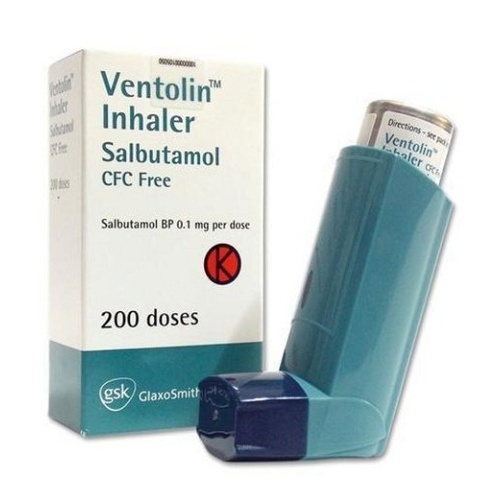
- Packaging: Official packaging is a sturdy blue-and-white box with manufacturer’s logo (GSK for Ventolin). U.S. products have English labeling, lot number, and expiration date clearly printed.
- Device: The inhaler itself is blue with a white mouthpiece cover, “Ventolin HFA” imprint, and an integrated dose counter (on 200-dose models).
- Security features: Tamper-evident seals, batch number, and, in most cases, a QR code or barcode for pharmacy/institutional verification. If in doubt, your pharmacist can assist with verification.
- Suspicious signs: Unusually low price, foreign language instructions, damaged or missing labeling, or unfamiliar device shape—these suggest a counterfeit or parallel import.
If you ever question the authenticity of your inhaler, do not use it—bring it to your pharmacy or contact the manufacturer directly for verification.
Staying Safe: Choosing a Legitimate Online Pharmacy in the United States
Only buy prescription medications from state-licensed, NABP-accredited online pharmacies. The National Association of Boards of Pharmacy (NABP) provides a “.pharmacy” domain and a “VIPPS” (Verified Internet Pharmacy Practice Sites) seal to verified sellers (NABP). These pharmacies require a valid prescription, protect your data, and stock only FDA-approved products.
- Warning signs of unsafe sellers: No prescription required, prices far below market averages, no contact information, no pharmacist available for questions, or a website based outside the U.S.
- Risks: Counterfeit or substandard medications, identity theft, customs seizure, and lack of legal recourse if harmed.
- How to check: Look for the NABP “.pharmacy” or “VIPPS” seal, verify the pharmacy with your state board of pharmacy, and confirm the website address at NABP.
What Should I Do If Ventolin Inhaler Doesn’t Work?
If your Ventolin Inhaler does not relieve symptoms within 10 minutes or if symptoms worsen, repeat the recommended dose once (as instructed by your physician). If there is still no improvement:
- Call your doctor or seek emergency medical help immediately.
- Frequent use (more than twice a week) may indicate poor asthma control—request a review of your long-term management plan.
- Do not increase your dose without professional advice.
What to Do in Case of Overdose?
- Stop using the inhaler immediately.
- Call emergency services (911) or go to the nearest emergency room.
- Tell the doctor exactly how many doses you took and when.
- Keep the inhaler canister and box for identification.
- Watch for severe symptoms: chest pain, severe palpitations, tremors, or unconsciousness.
Overdose can cause dangerous heart rhythm disturbances, low potassium, seizures, and, rarely, death. Never exceed prescribed dosages.
Empathy and Psychological Support: You’re Not Alone
Asthma and acute breathing issues are common and manageable conditions. Many people experience anxiety or embarrassment when using an inhaler in public or during an attack. Remember, needing help is normal, and discussing your concerns with your doctor, pharmacist, or a counselor can improve both your asthma control and quality of life.
Questions Patients Most Often Ask doctor About Ventolin Inhaler Therapy
- How long should I wait after using Ventolin Inhaler before deciding if I need emergency care?
- Typically, you should feel improvement within 5–10 minutes. If you don’t, or if your breathing worsens, seek emergency help immediately.
- Can I use my Ventolin Inhaler preventively before exercise or exposure to triggers?
- Yes, Ventolin is often used 15–30 minutes before exercise or known triggers to prevent bronchospasm. Your doctor will advise on the exact timing and frequency.
- What should I do if I’m using my inhaler more than prescribed?
- Frequent use may indicate poorly controlled asthma. Schedule a review with your doctor to adjust your management plan—don’t just increase the dose yourself.
- Is it safe to use my inhaler during a respiratory infection or COVID-19?
- Yes. Use your inhaler as directed even during infections. If symptoms worsen, consult your doctor, as your asthma may require further management.
- How do I know if my inhaler is working properly?
- Check the dose counter, listen for the spray, and ensure proper inhalation technique. If you experience less relief than usual, your device may be clogged or empty—replace or clean as advised by your pharmacist.
- Should I always carry my inhaler?
- Yes. For rapid-relief inhalers like Ventolin, keeping it with you, especially during physical activity or travel, is essential for safety.
- Can Ventolin Inhaler be used together with daily controller medications?
- Absolutely. Short-acting inhalers are meant for immediate relief, while controllers (such as inhaled steroids) provide long-term prevention. Always follow your prescribed regimen.
Professional Clinical Assessment by doctor: Who Will Benefit Most From Ventolin Inhaler?
In my clinical experience, Ventolin Inhaler is most beneficial for patients with intermittent asthma, exercise-induced bronchospasm, or mild-to-moderate persistent asthma who require rapid, short-term symptom relief. It is also indispensable in acute exacerbations for immediate bronchodilation. Those with infrequent symptoms—such as seasonal allergy-induced asthma or rare exposure to triggers—often find Ventolin sufficient without the need for daily controller medications.
However, patients with chronic, severe, or poorly controlled asthma who need their inhaler daily or multiple times a day are not ideal candidates for Ventolin as sole therapy. In such cases, controller medications (like inhaled corticosteroids or combination inhalers) and specialist referral are necessary. In patients with significant cardiovascular disease, benefit-risk considerations become critical—alternative medications or specialist input may be warranted. Reassessment is always appropriate if there is any change in symptom frequency or if new comorbidities develop. Ultimately, Ventolin Inhaler remains a mainstay of acute symptom control, but long-term management requires a personalized approach.
People Also Ask: Quick Answers About Ventolin Inhaler in United States
- Is Ventolin Inhaler effective for asthma attacks?
- Yes. Ventolin Inhaler provides rapid relief of bronchospasm and is frequently used as a “rescue” inhaler during asthma attacks. However, if symptoms do not improve after 2 doses, seek emergency care.
- What is the usual adult dosage for Ventolin Inhaler?
- The typical adult dose is 1–2 inhalations every 4–6 hours as needed, with a maximum of 8 inhalations (720 mcg) in 24 hours, unless directed otherwise by your physician.
- What are the most common side effects?
- The most common side effects are tremor, headache, palpitations, and mild throat irritation. These effects are usually mild and temporary.
- Is a prescription needed for Ventolin Inhaler in the United States?
- Yes, Ventolin Inhaler is only available by prescription in the United States.
- How much does Ventolin Inhaler cost in the United States?
- Prices vary by brand and insurance coverage, but as of 2026, a 200-dose inhaler typically ranges from $28–$65. Generics are often less expensive.
- Can I get Ventolin delivered through an online pharmacy?
- Yes, if you have a valid prescription, many accredited U.S. online pharmacies and mail-order services can deliver Ventolin directly to your home.
- Are there alternatives to Ventolin Inhaler?
- Yes. Other albuterol inhalers (ProAir, Proventil) and levalbuterol inhalers (Xopenex) are available. All are effective; choice depends on tolerance, insurance, and physician recommendation.
- How long does the effect of Ventolin Inhaler last?
- Relief usually begins within 5 minutes and lasts 4–6 hours. If relief does not last this long, consult your doctor about your asthma control.
- Can I use Ventolin Inhaler for COPD?
- Yes, Ventolin Inhaler is also used in chronic obstructive pulmonary disease (COPD) for relief of acute bronchospasm, but always under the care of a physician.
- Can I share my Ventolin Inhaler with someone else?
- No. Inhalers are prescribed for individual use and should never be shared, as misuse can be dangerous and unsanitary.
References
- U.S. Food & Drug Administration, Ventolin HFA (albuterol sulfate) Inhalation Aerosol Labeling, 2023. FDA
- National Institutes of Health, Asthma Management Guidelines – 2026 Update, NIH
- Mayo Clinic, Albuterol (Inhalation Route), Accessed 2026. Mayo Clinic
- National Association of Boards of Pharmacy, Pharmacy Accreditation & Safe Online Pharmacies, NABP
- GoodRx, Ventolin HFA Prices, Coupons & Savings Tips, Accessed 2026. GoodRx
- PubMed, Recent clinical studies on albuterol/salbutamol efficacy and safety (2024–2026), PubMed
- Centers for Disease Control and Prevention (CDC), Asthma in the United States: Data and Statistics, CDC
- GlaxoSmithKline, Ventolin HFA Official Consumer Information, GSK